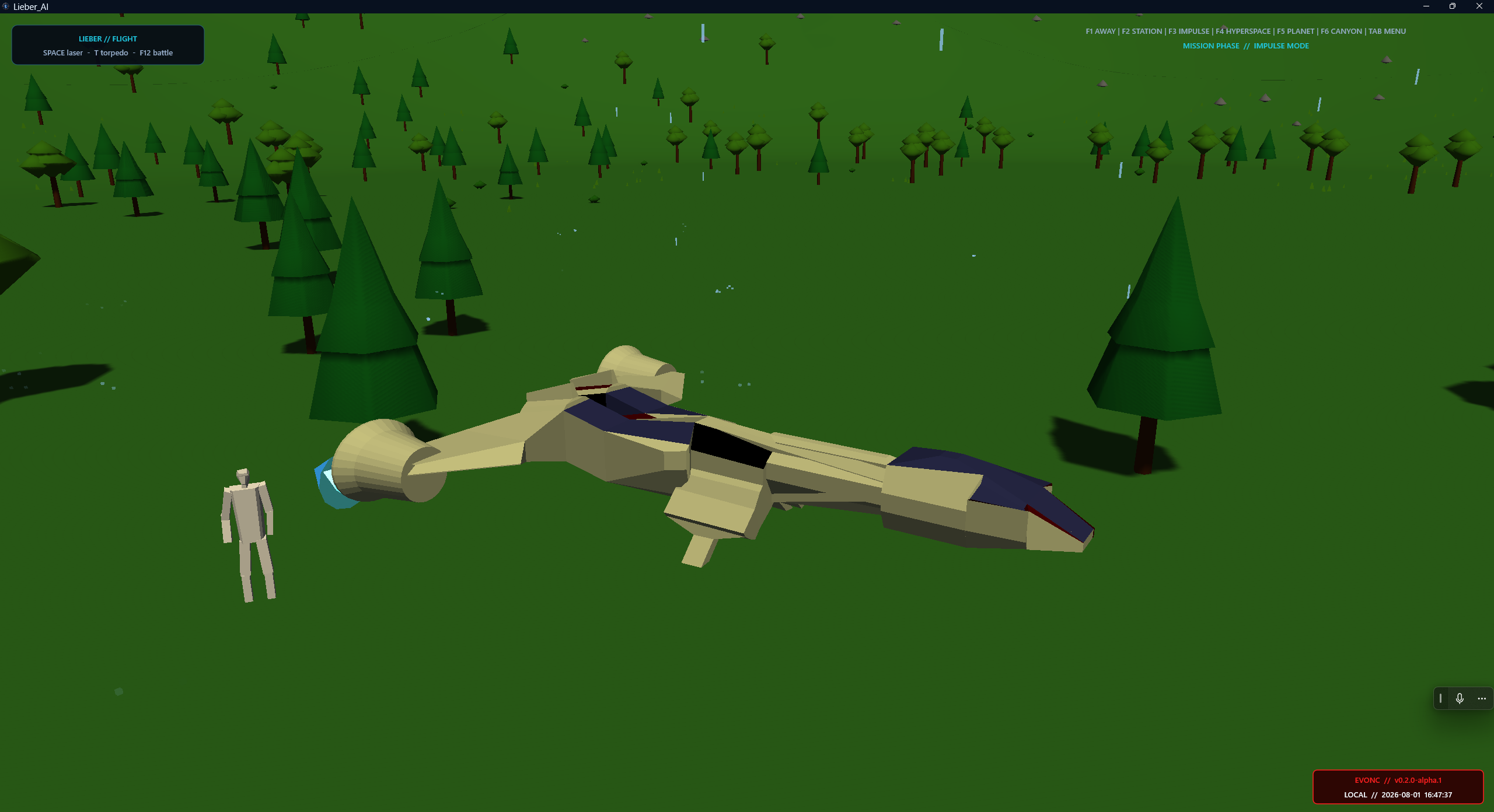
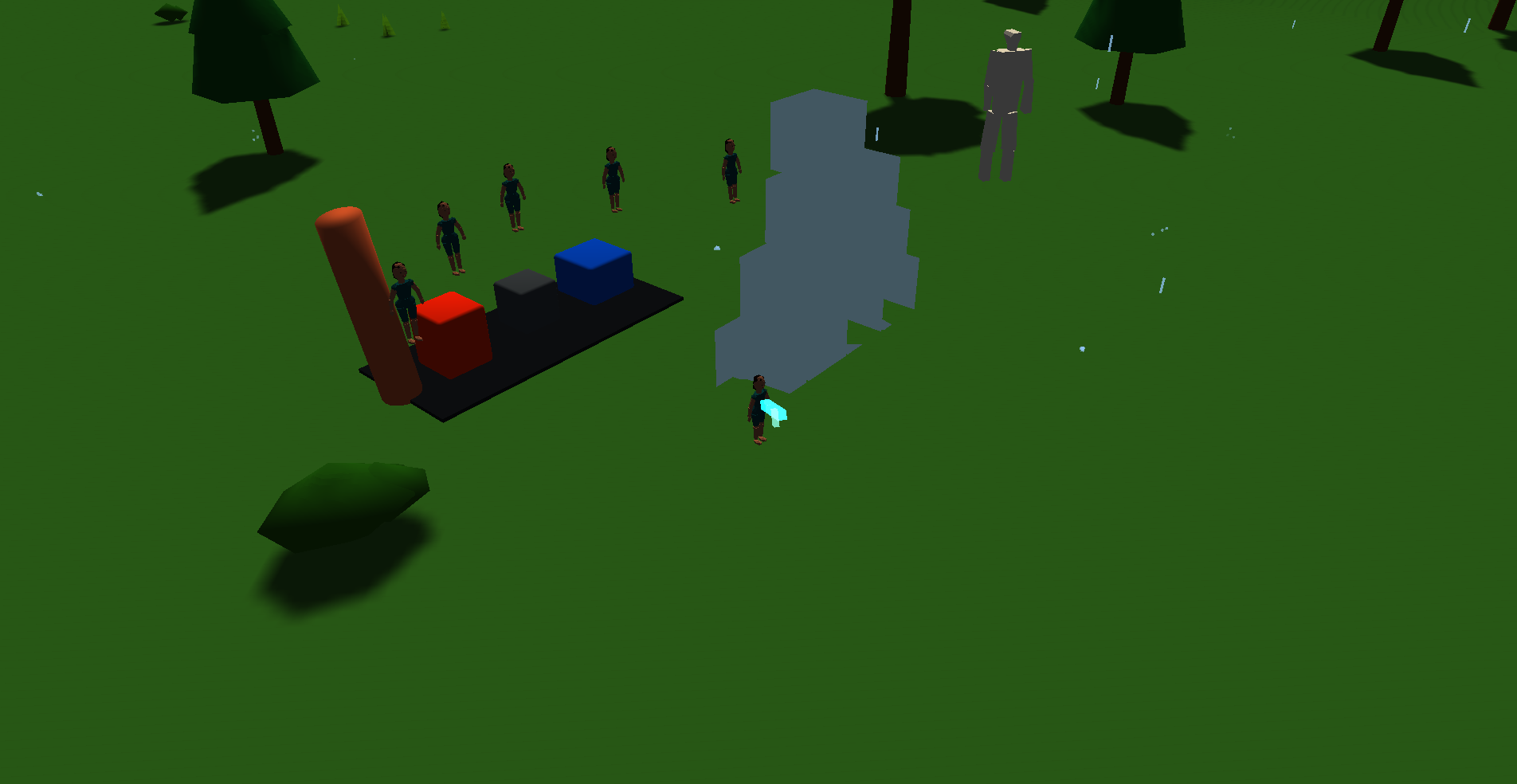
EVONC Shared World Platform — prototype operational.
Today EVONC crossed an important milestone: the ship became a shared multiplayer world. We built a persistent master state that allows multiple clients to connect to the same EVONC-001 simulation, choose cats or mice as avatars, move around together, and see the same world state across Godot, the web client, and Lieber_AI. Player names, avatar assignments, positions, movement states, ship location, and alert status are synchronized and survive reconnects.
Lieber_AI has also become part of that shared world. Its F3/B tactical display can now show the live players aboard the ship, and actors can be selected and given destinations that are carried back through the shared state to the running game. We verified real two-client movement, browser control, persistent state, ship alert synchronization, and remote commands. What began as a small birthday multiplayer experiment has become the first working prototype of the **EVONC Shared World Platform**: one persistent reality that can be observed and interacted with through many different kinds of clients.
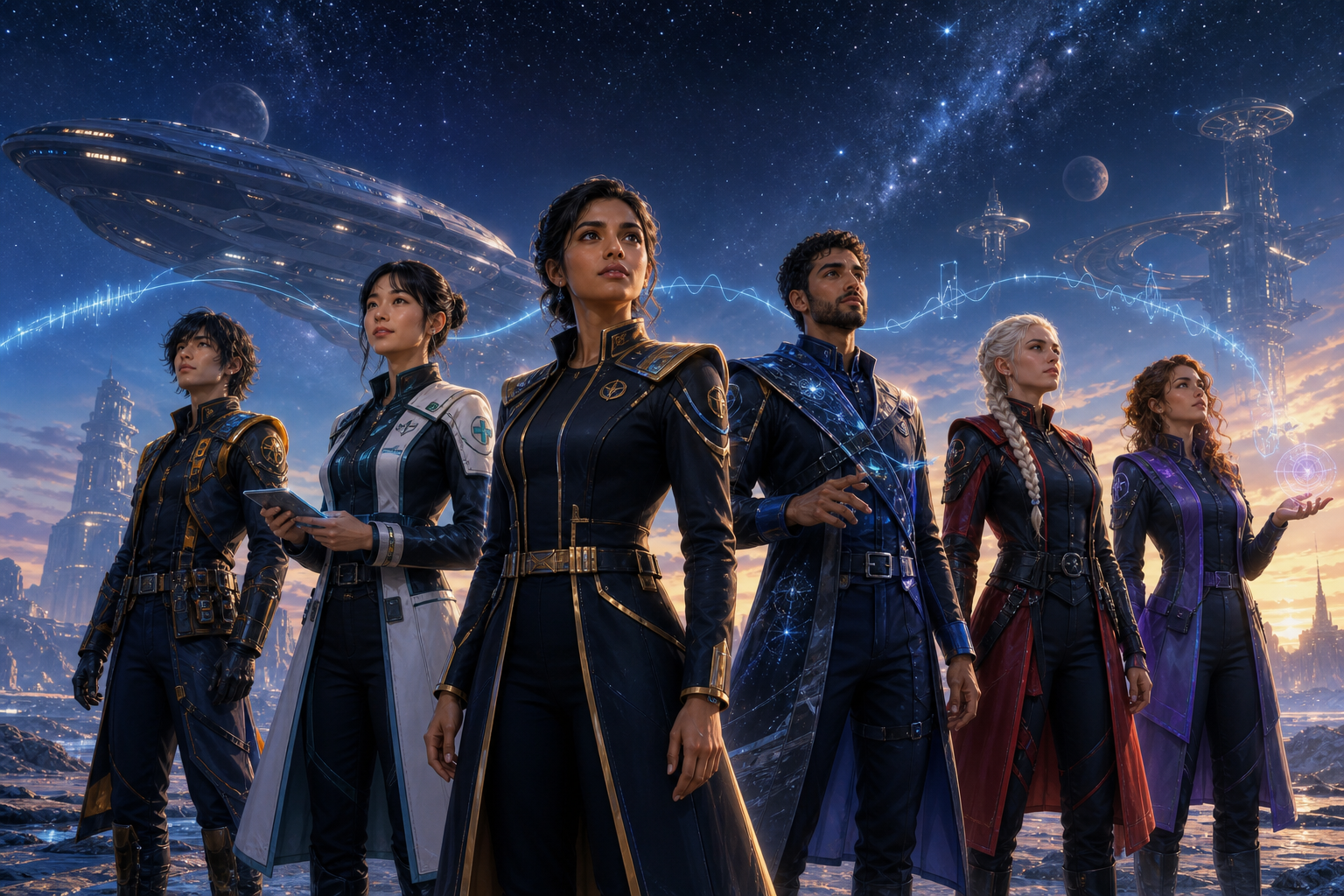
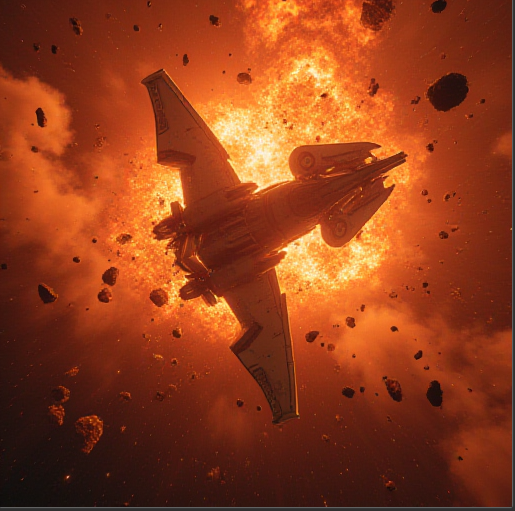
ChatGPT AI generated Image.
EVONC Development Log — 24 August 2026
Today the EVONC project crossed an important threshold: the ship is no longer simply being modeled — it is becoming a place that can be observed, documented, navigated, and developed from within.
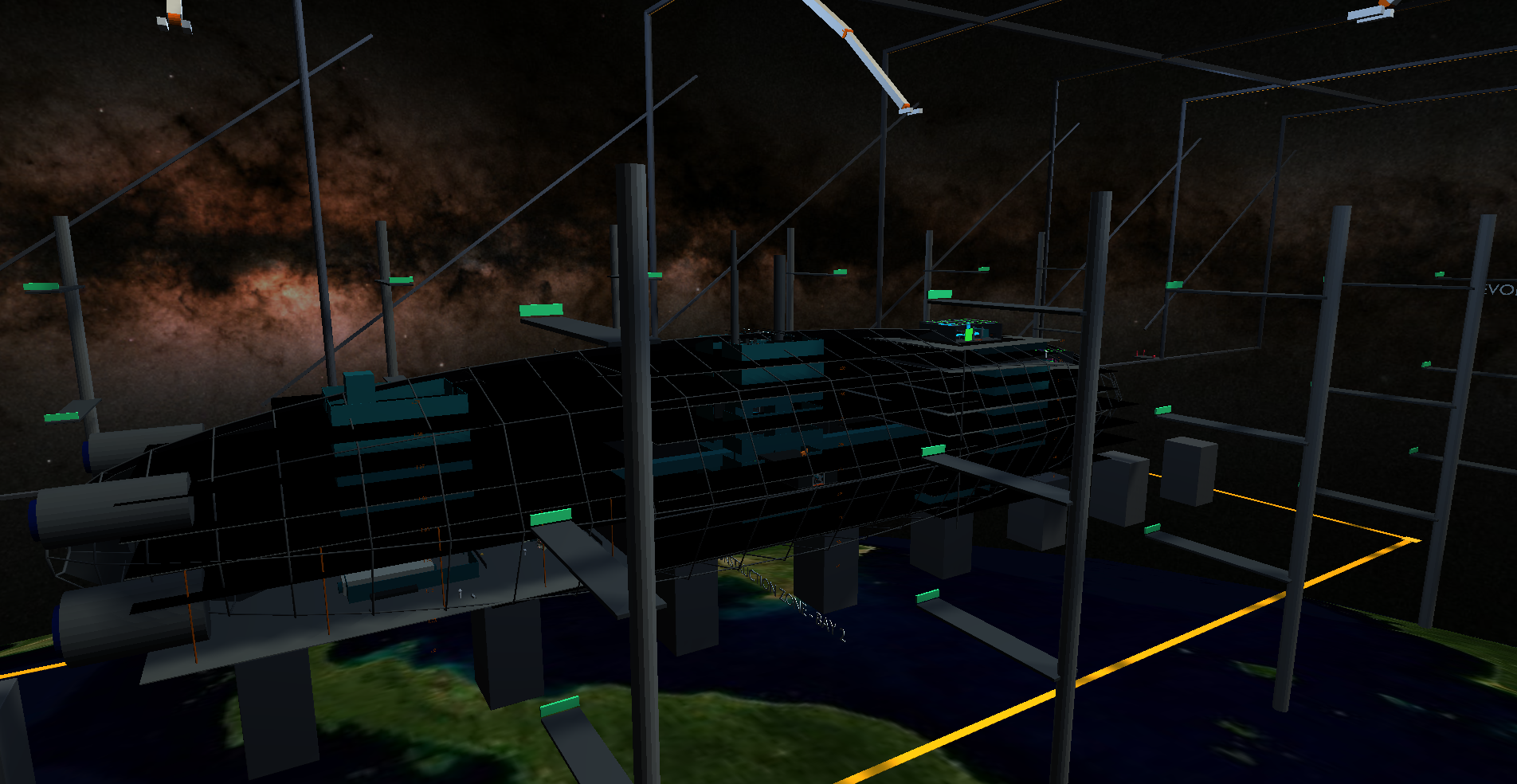
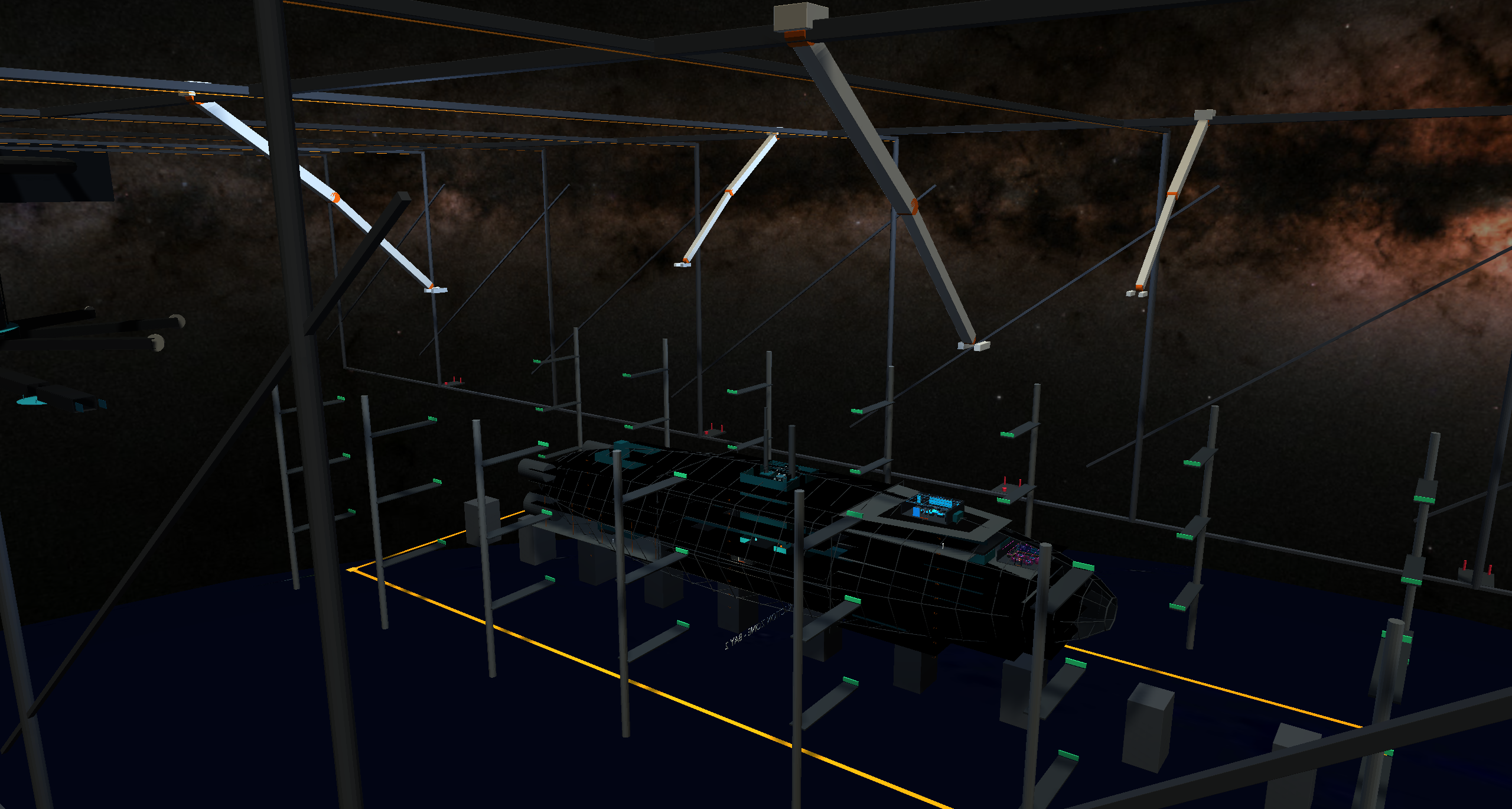
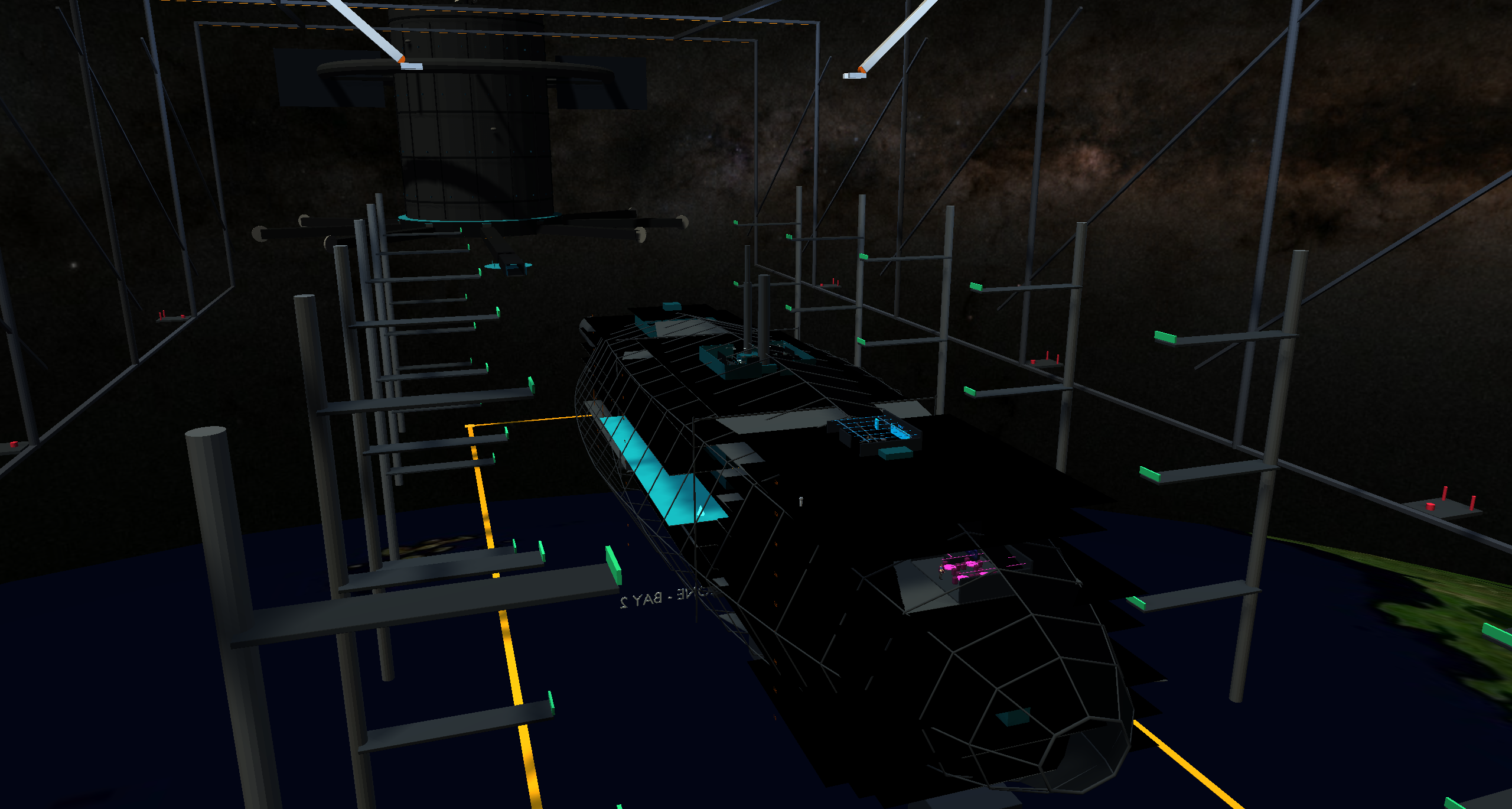
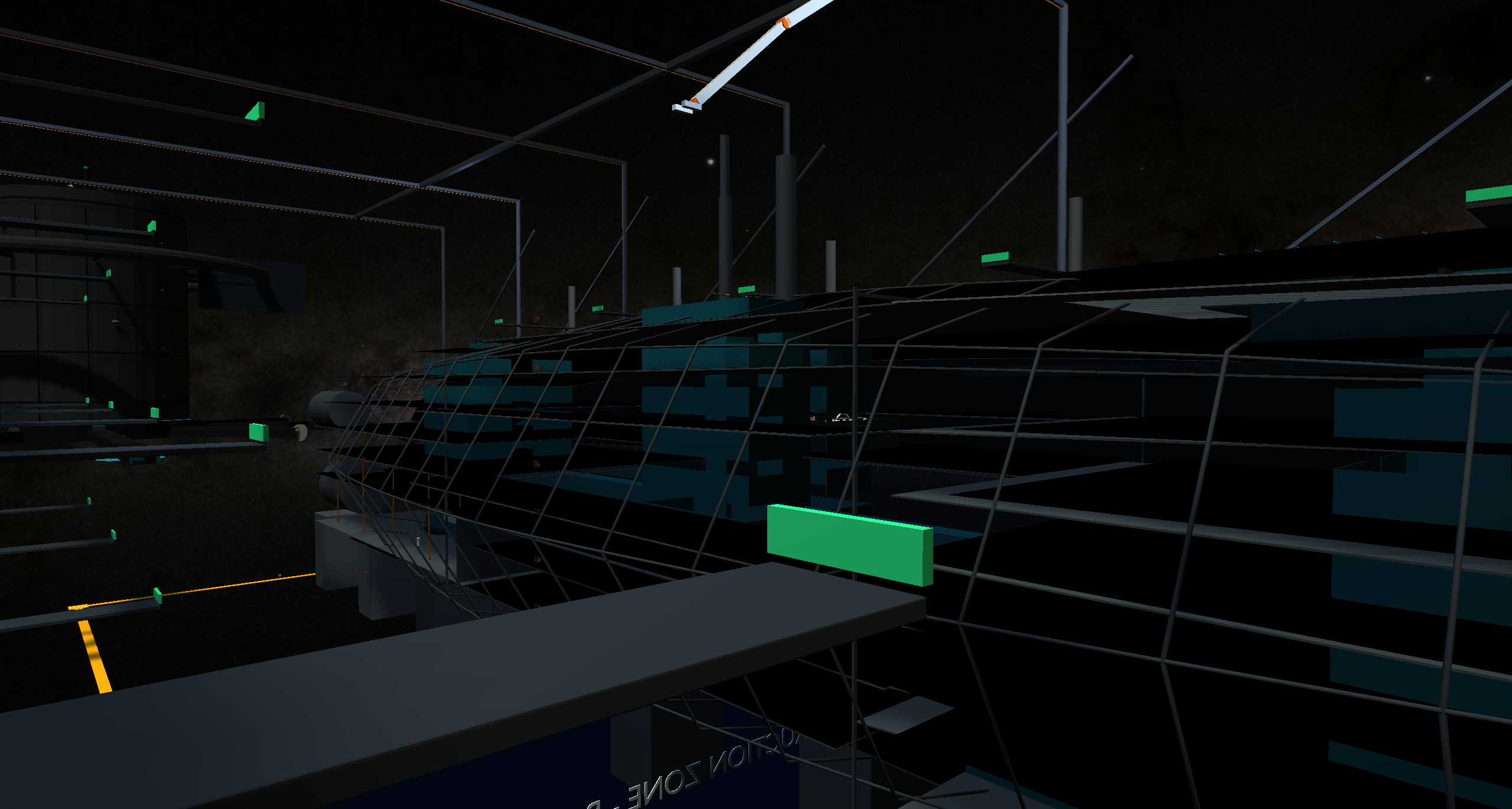
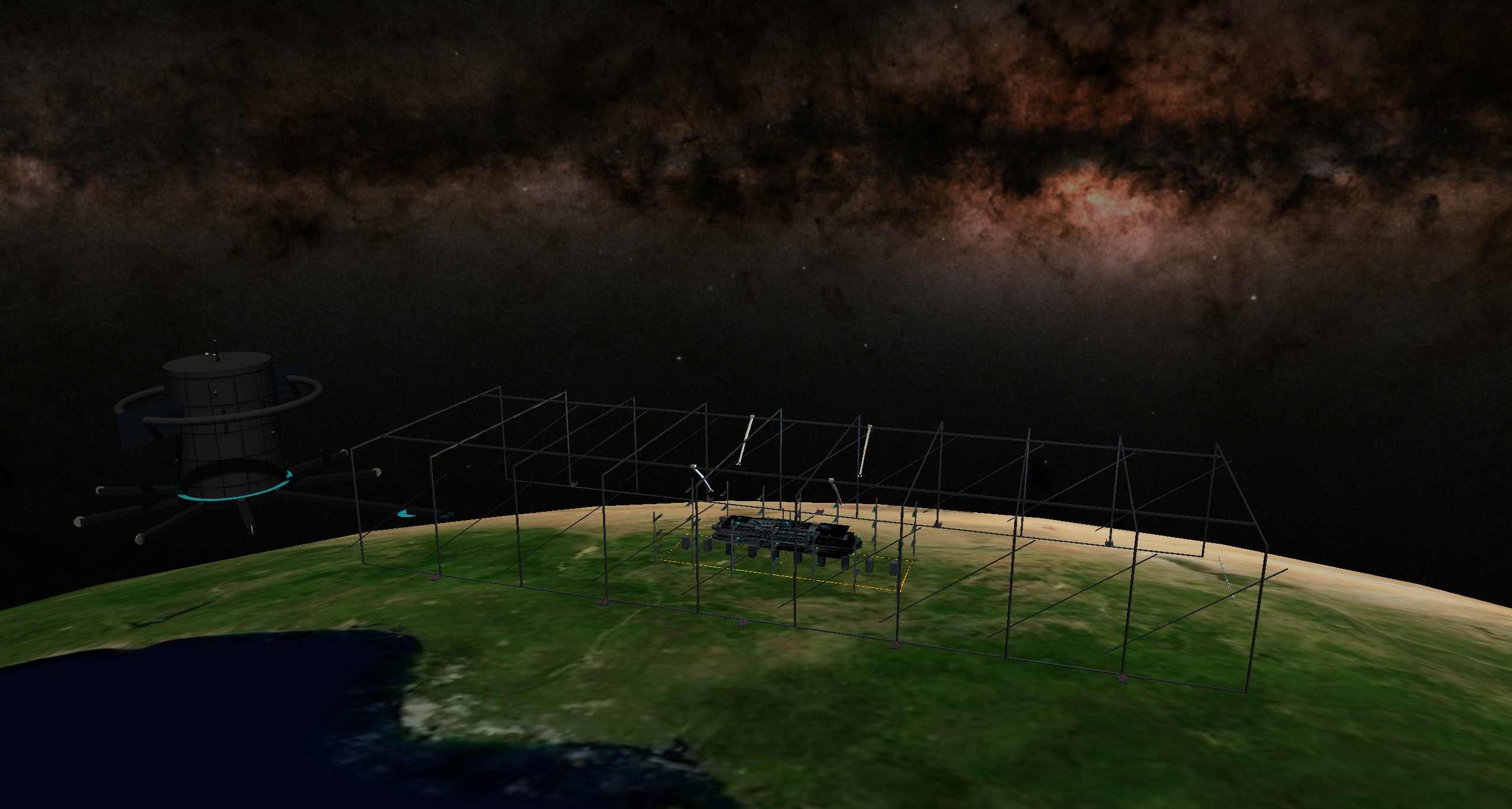
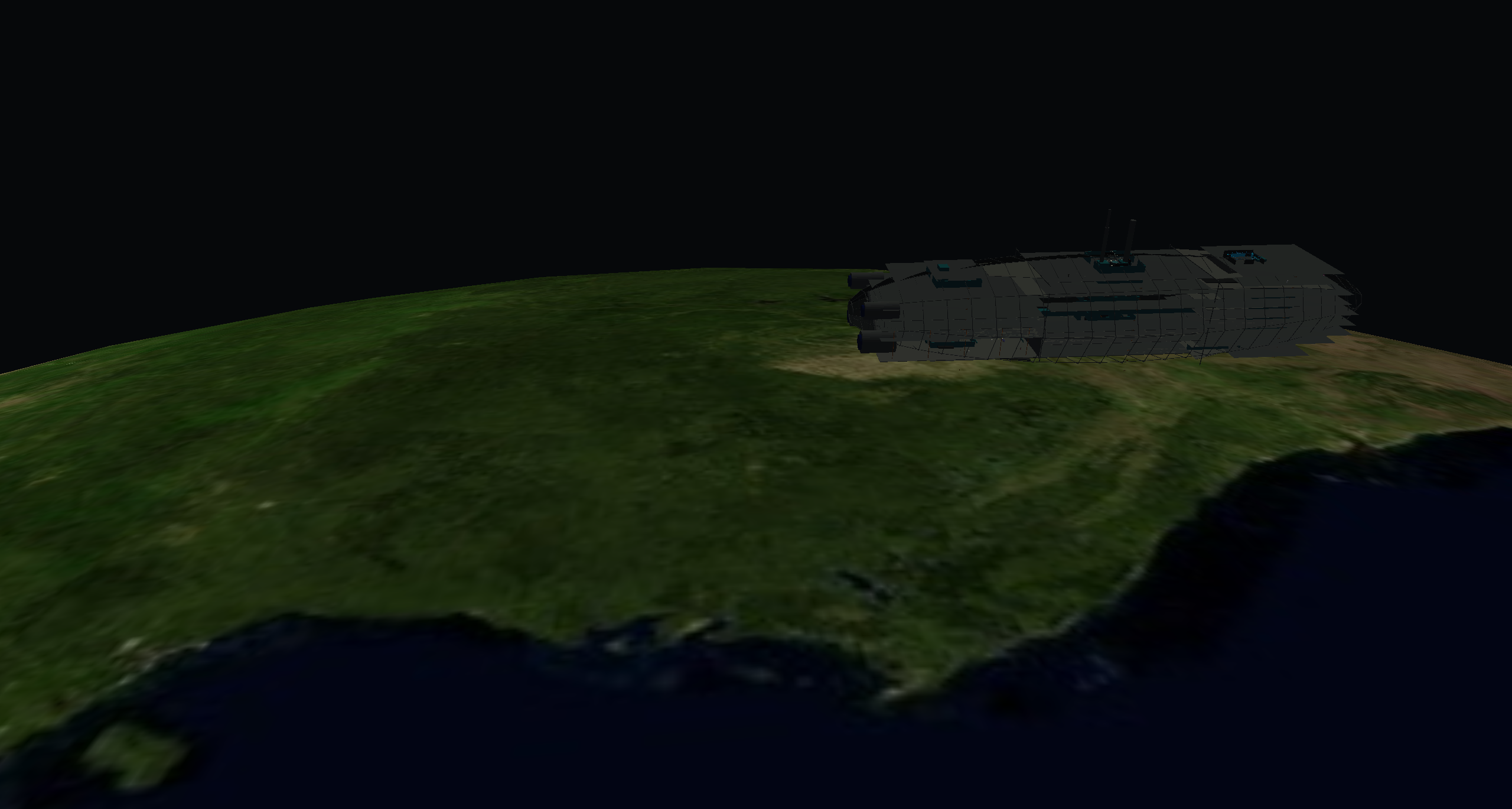
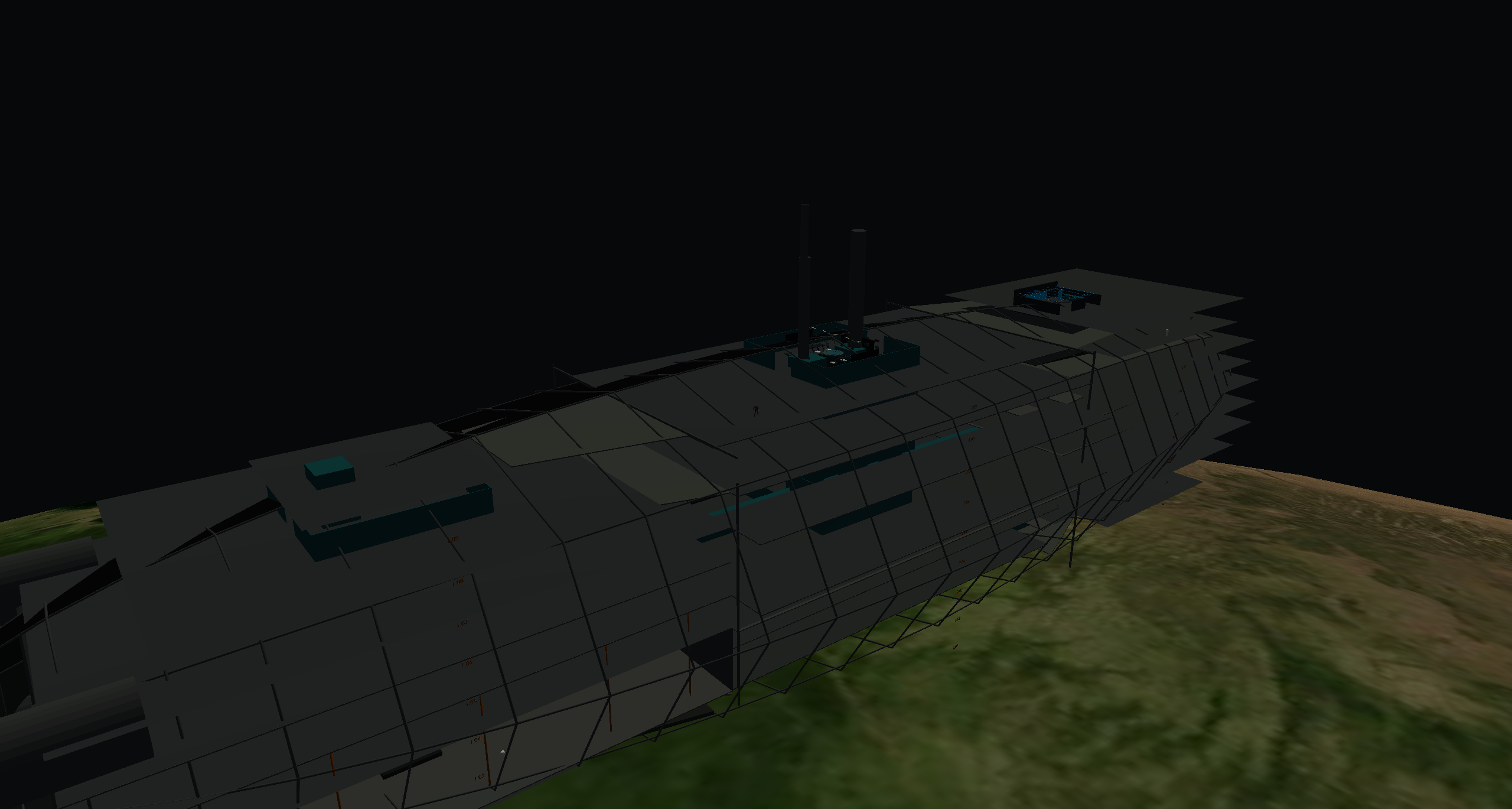
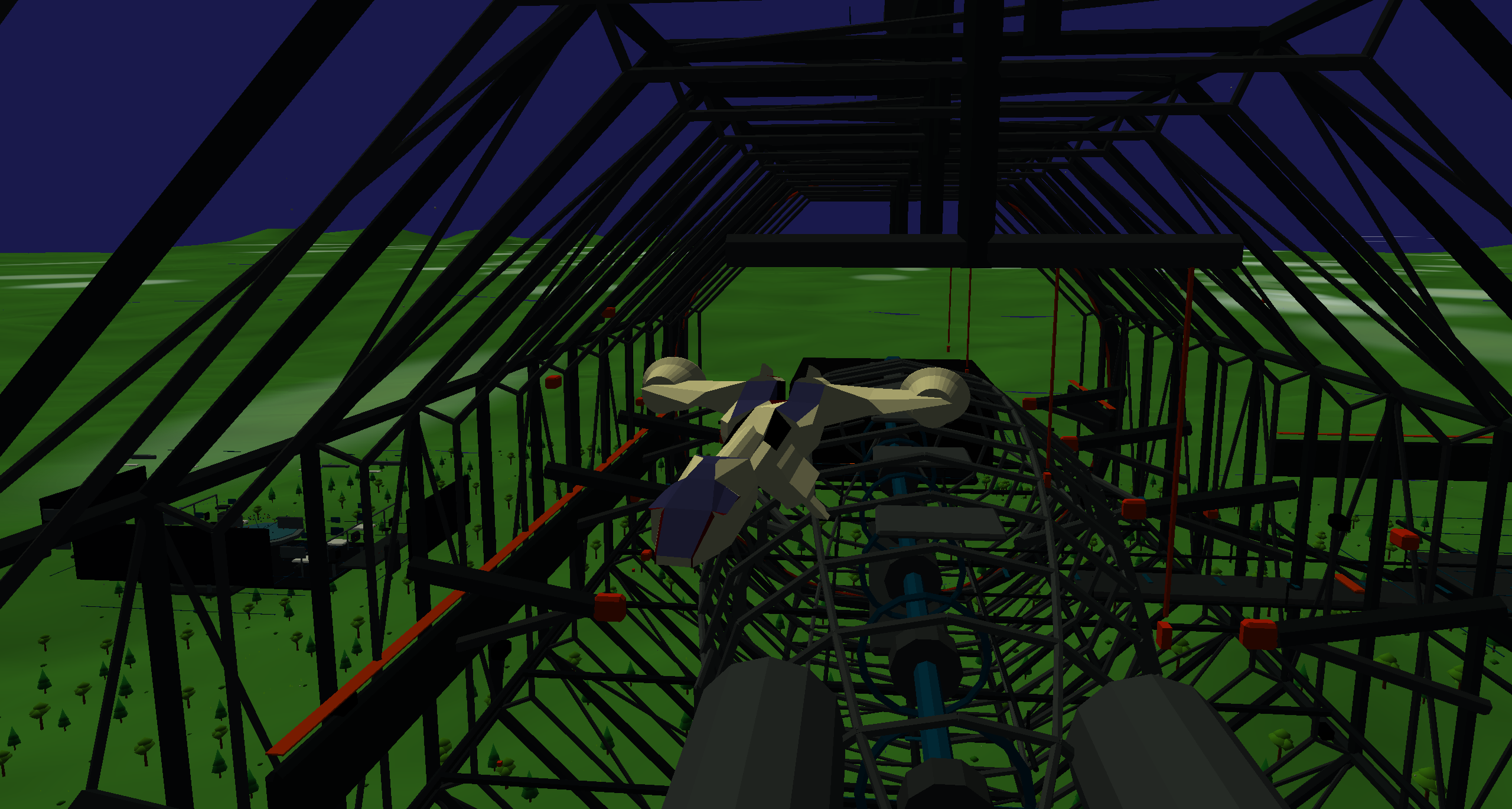
The EVONC spacecraft is now sitting inside its developing shipyard environment, surrounded by structural frames, docking infrastructure, lighting, and engineering reference geometry. What began as disconnected Blender scenes is increasingly becoming a coherent physical world with its own coordinate system, compartments, hierarchy, and persistent development history.
One of today's most important additions was the Captain's Log.
From inside Lieber_AI, the Captain can now capture a frame of the running world, give the observation a title, write notes and a caption, and publish it into the project's log. The system is intended to record development from the point of view of the person actually standing inside the simulation. There is no need to leave the application simply to document what is happening.
That changes the role of screenshots considerably.
A screenshot is no longer merely evidence that a build succeeded. It can become a historical observation attached to a moment in the construction of the ship.
Alongside this, the Q Observation system has begun taking shape. Interesting, unexpected, beautiful, broken, or otherwise noteworthy moments can be captured and classified into the EVONC hierarchy. The application is beginning to understand not merely what exists, but where the Captain's attention is located inside the larger project tree.
The visible Q filing information is an early expression of that idea:
Reality → Station → Dock → EVONC-001 → Structure Grid → Engineering Control
Instead of forcing a human or an AI agent to understand the entire project simultaneously, EVONC can increasingly provide a local frame of reference:
Where am I?
What am I looking at?
What system does it belong to?
What happened here?
What needs attention next?
This is becoming the basis of the Focus Tree.
Development also continued on the physical ship itself. Spawn anchors and scene anchors were verified through the Blender-to-GLB pipeline rather than simply assumed to exist after export. Engineering work is becoming compartmentalized, and the shipyard is evolving into a proper construction and inspection environment where future agents can reason about actual locations instead of an abstract collection of meshes.
The inter-agent architecture also began moving from concept toward infrastructure. Captain, Claude, Codex, Q, and future agents are being given a shared EVONC environment in which work can be assigned, inspected, handed off, and recorded rather than disappearing into isolated AI conversations.
That distinction matters.
The goal is not to have several AI systems independently generating code.
The goal is to create a crew working on the same ship.
The next threshold
The natural next step is F2: Captain First-Person Mode.
Until now, much of EVONC has been experienced through debug cameras, menus, construction views, and external inspection. The Captain now needs to be able to board the vessel and walk its corridors as an ordinary inhabitant of the world.
From that position, the Focus Tree can become spatial.
Look at a bulkhead and the system can know which deck, compartment, structure, object, task, observation, and engineering history belong to it. Look at a broken connection and an agent can inspect the same node from a higher level in the tree. Capture it with Q Observation and the moment becomes part of the vessel's history.
That is where the pieces developed today begin to converge:
3D world → position → focus → hierarchy → observation → agent → task → log
Today we did not merely add another screen to Lieber_AI.
We began constructing the instruments that allow a human and a collection of AI agents to share attention inside the same computational world.
And sitting there in the dock, surrounded by unfinished structural members and construction geometry, is EVONC-001.
Still under construction.
But increasingly, unmistakably, becoming a ship.
Station Dock F1_B
Huge Update!
I've crossed a significant threshold in my application today I've crossed a significant threshold in my application today. This application now has a picker This application now has a picker. I am able to pick parts and diagnose them and send that information back to I am able to pick parts and diagnose them and send that information back to artificial intelligence artificial intelligence . This is the beginning of a ship that's self aware This is the beginning of a ship that's self aware because it can reference itself and what I'm looking at as well as the source code that describes because it can reference itself and what I'm looking at as well as the source code that describes all the ships functions relating to graphics and the computational environment that it's in all the ships functions relating to graphics and the computational environment that it's in.
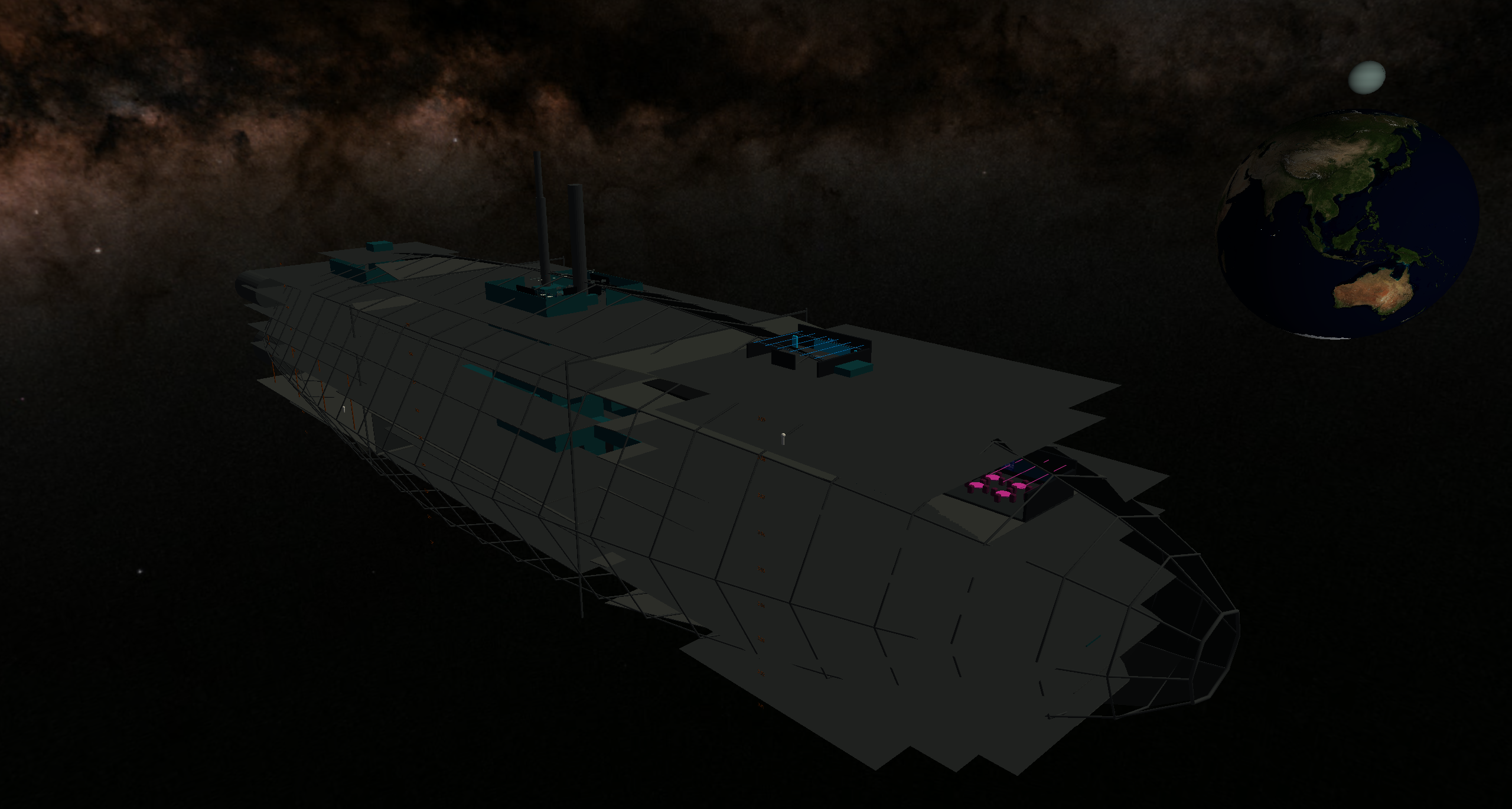
Looking at this picture you can see my spaceship and the part that I've selected Looking at this picture you can see my spaceship and the part that I've selected The spaceship is in Dock and The spaceship is in Dock and some of the compart
Come Aboard! Tours of our construction site will begin shortly.
All Aboard the EVONC-001 is in its construction bay.
Next comes planetary exploration.
We need to establish local probes on planetary service for We need to establish local probes on planetary service for telemetry telemetry readings and readings and feedback data feedback data.
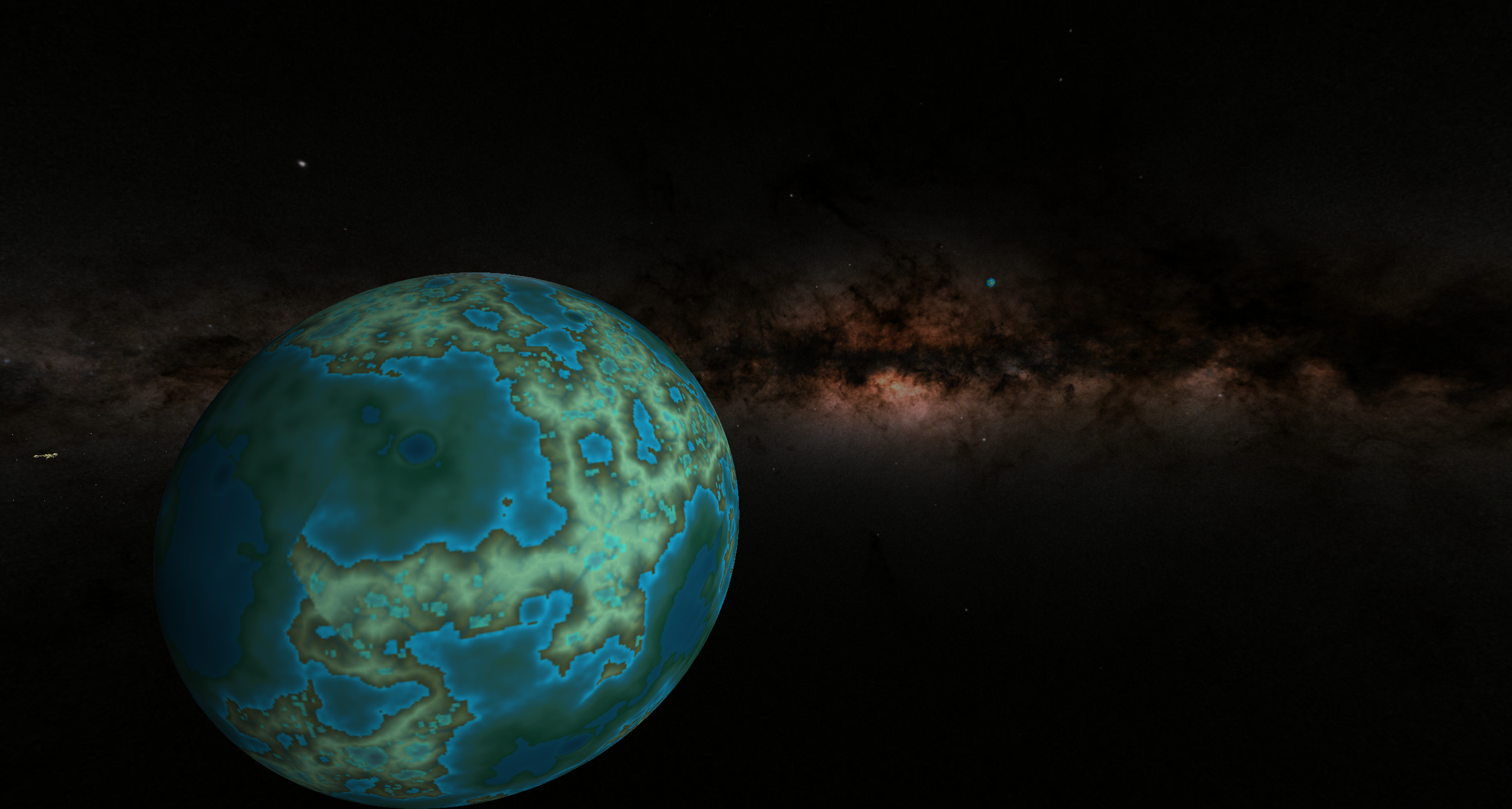
Textured planet in front of a Milky Way backdrop Textured planet in front of a Milky Way backdrop .
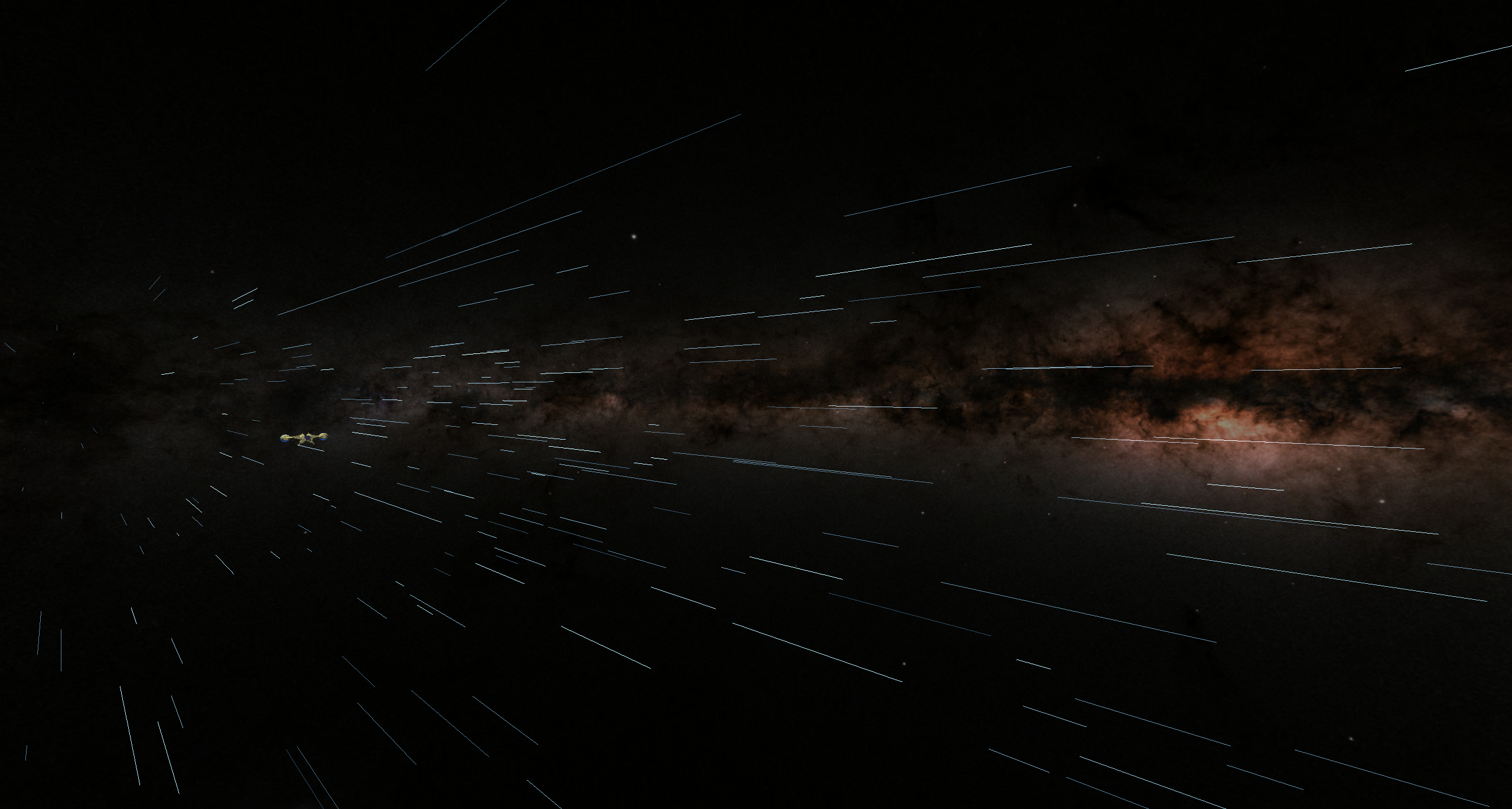
Nothing beats being able to fly across vast distances in a hyperspace ship Nothing beats being able to fly across vast distances in a hyperspace ship.
Building a spacestation in orbit.
Thanks to AI i can build a station with my agents. The building it with agents is part of the experience.
Exploring Space!
Galactic Milky Way Background installed.
NASA provided the textures.
Orbital Technologies.
Come on. Build a spacestation in orbit with AI agents helping you!
Reserve a copy now! Tickets are limited.
We have an agent in its workspace.
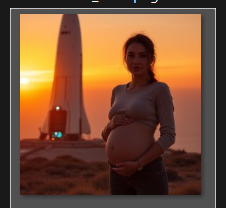
This agent is in her workspace aboard the EVONC-001 vessel as they manage the health and safety of the crew. Doctors are on standby for the maternity ward.
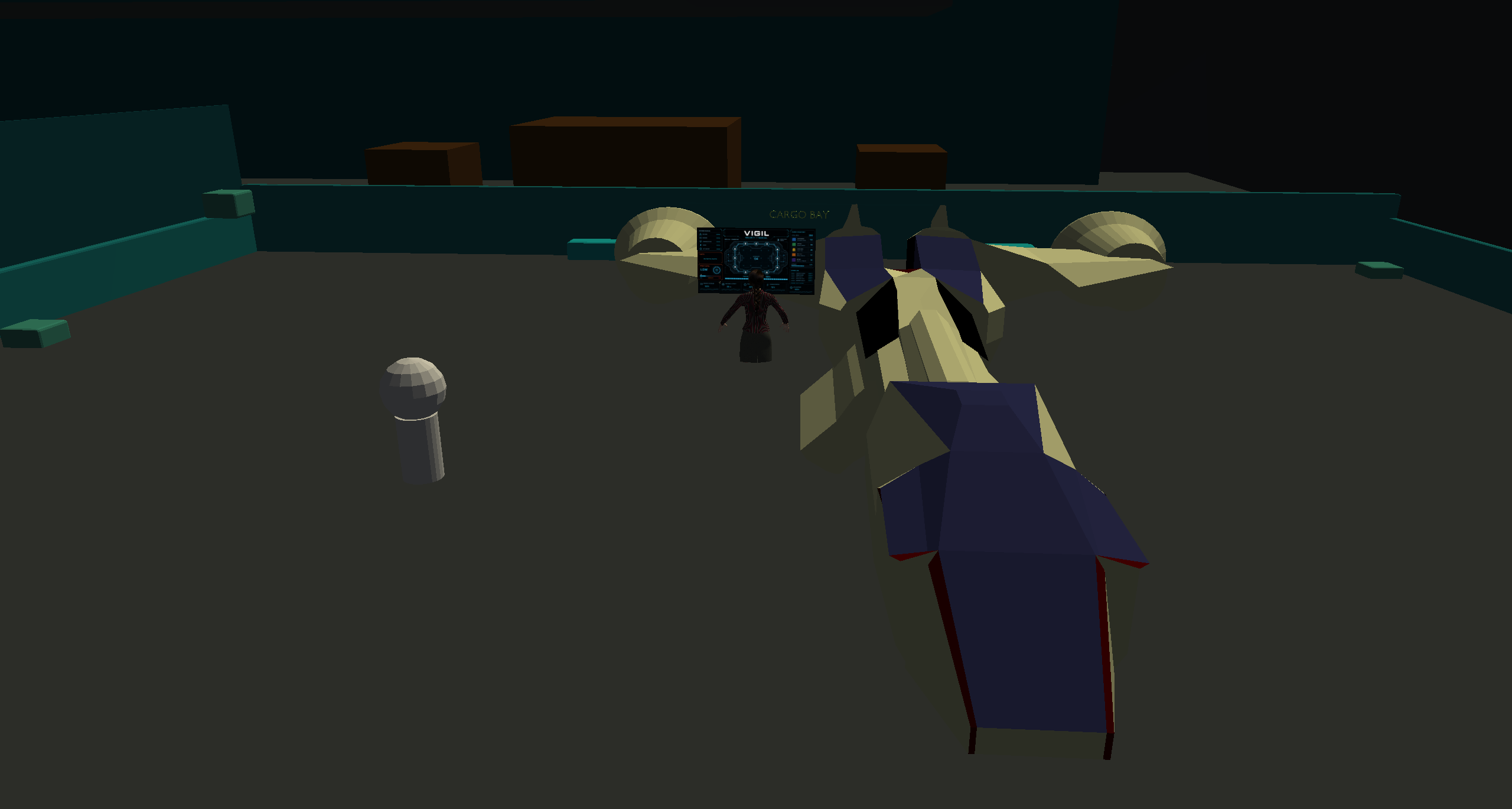
Cargo Bay
Update: August 22
# EVONC Development Log
## First Contact — The Ship Begins to Wake
**Date:** 22 August 2026
**Project:** EVONC — Evolutionary Consciousness
**System:** EVONC-001 / Lieber_AI / Q
**Status:** Active Development — Yellow Alert
The last several development cycles have produced some of the most significant milestones in EVONC so far.
EVONC is beginning to move beyond being a collection of source code, simulations, models, and experiments. The pieces are starting to communicate with one another and form a persistent computational world.
### EVONC-001 Becomes AI-Ready
EVONC-001, the project's custom Linux From Scratch operating system, has reached an important new stage.
The NVIDIA driver stack was successfully installed and validated. The system now recognizes its NVIDIA GPU through `nvidia-smi`, with driver **580.178.04** and CUDA **13.0** capability reported.
This transformed EVONC-001 from a newly constructed operating system into a platform capable of hosting local artificial intelligence.
### First Local AI — Online
On 22 August 2026, EVONC-001 successfully executed its first local language model using llama.cpp:
**DeepSeek R1 Distill Qwen 1.5B**
This was more than an installation test.
For EVONC, this represents **First Contact**.
For the first time, the custom operating system can host an AI that can remain locally aboard the EVONC environment rather than existing exclusively through an external service.
This AI is being considered the first persistent AI player — effectively the first computational **baby** born into the EVONC world.
**Baby is online.**
### The Firstborn Framework
This milestone follows the creation of the **Firstborn Incubator v1**, a bounded C++17 framework designed to support persistent artificial inhabitants.
The first soul has already been defined:
**Soul:** EVONC-SOUL-0001
**Guardian:** Q
**Birth Event:** BIRTH-0001
The Firstborn framework passed its initial self-tests and seven simulated offline days.
The important architectural principle is persistence: an inhabitant should possess identity, history and continuity rather than simply appearing when an AI request is made.
### Q — The Observer
Q has continued evolving into EVONC's observation and continuity layer.
The Q system can record observations, maintain mission-journal information, capture visual evidence and publish selected state information externally.
This provides the beginning of something essential:
**The ship can observe itself.**
EVONC now has mechanisms for connecting screenshots, journal records, project state and published telemetry.
### Ship Status and Alert System
A canonical ship-status interface has been established.
EVONC now recognizes three operational conditions:
**NORMAL** — routine operation
**YELLOW ALERT** — elevated readiness, construction or caution
**RED ALERT** — human intervention required
The authoritative state can be published through Q so external clients can determine the ship's current condition without having to understand the entire EVONC system.
Work has also begun on a human-readable `/status` interface so development progress, major implementation events and blockers can be inspected remotely.
This is particularly important for autonomous development agents: when an agent stops because it requires human input, EVONC should eventually be capable of raising a **Red Alert** rather than silently waiting.
### Remote Operations
Another major workflow milestone was demonstrated: EVONC development can increasingly be supervised remotely.
Codex running on another computer can be instructed from a phone, operate the application, capture results and feed those observations back into the project's information systems.
The workstation is no longer necessarily the bridge.
### The Ship Becomes Its Own Engineering Diagram
The physical EVONC ship model is also taking on a deeper purpose.
The ship is intended to reflect the architecture of the project that creates it.
Compartments will eventually connect to their source code, Blender geometry, engineering records, logs, tasks and historical decisions.
Selecting part of the ship should ultimately answer questions such as:
* What is this?
* Why does it exist?
* What created it?
* Where is its source code?
* Where is its model?
* What has happened to it?
* What still needs to be built?
The ship therefore becomes both spacecraft and interface.
Its structure becomes a physical representation of its own **DNA**.
### VR Changes the Perspective
EVONC can now be experienced from inside the ship at human scale.
Walking through the developing vessel in first-person VR provides an entirely different engineering perspective. Compartments are no longer merely coordinates or Blender geometry; they become spaces that future inhabitants must actually navigate.
Because EVONC's humanoid inhabit
Freedom
so I finally have gotten my AI skills up to the competency where I can just sit back in the garden and work on my project while I'm enjoying the outdoors that's a significant upgrade in life
Our little Blue Home!
I've been trying to optimize the system for better gameplay I've been trying to optimize the system for better gameplay .
Updates!
Spaceship system simplified.
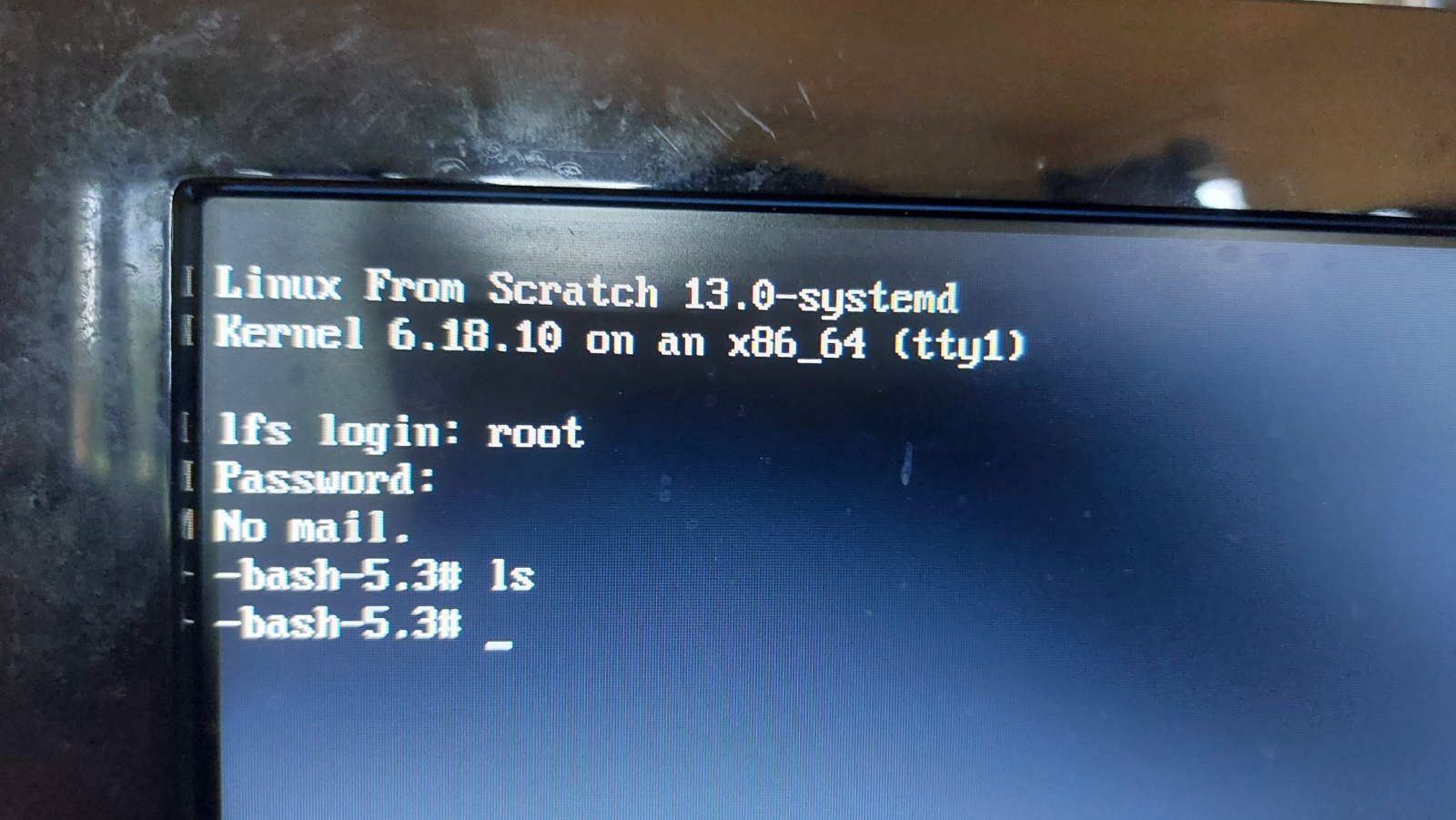
EVONC OS / LFS — First successful independent boot: 15 August 2026
today is a rather special day as I finally completed the installation of my Linux from scratch operating system and was able to log in as the root user.
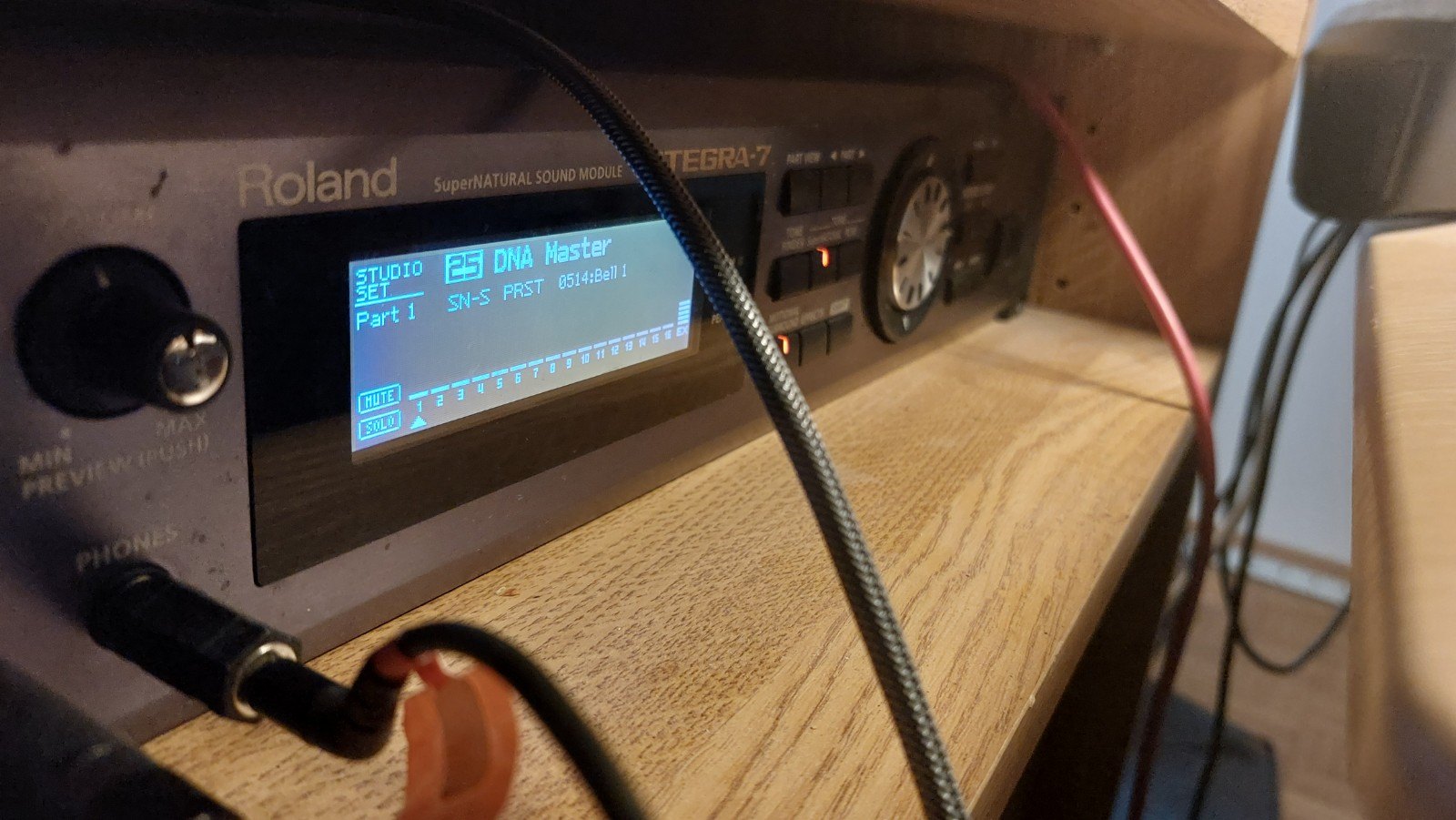
MIDI Temple
I created a MIDI application that can accept input from Frontier artificial intelligence models to compose musical pieces based on musical theory using the Roland Integra 7
EVONC Phone Online
First authenticated mobile log transmission from the EVONC phone.
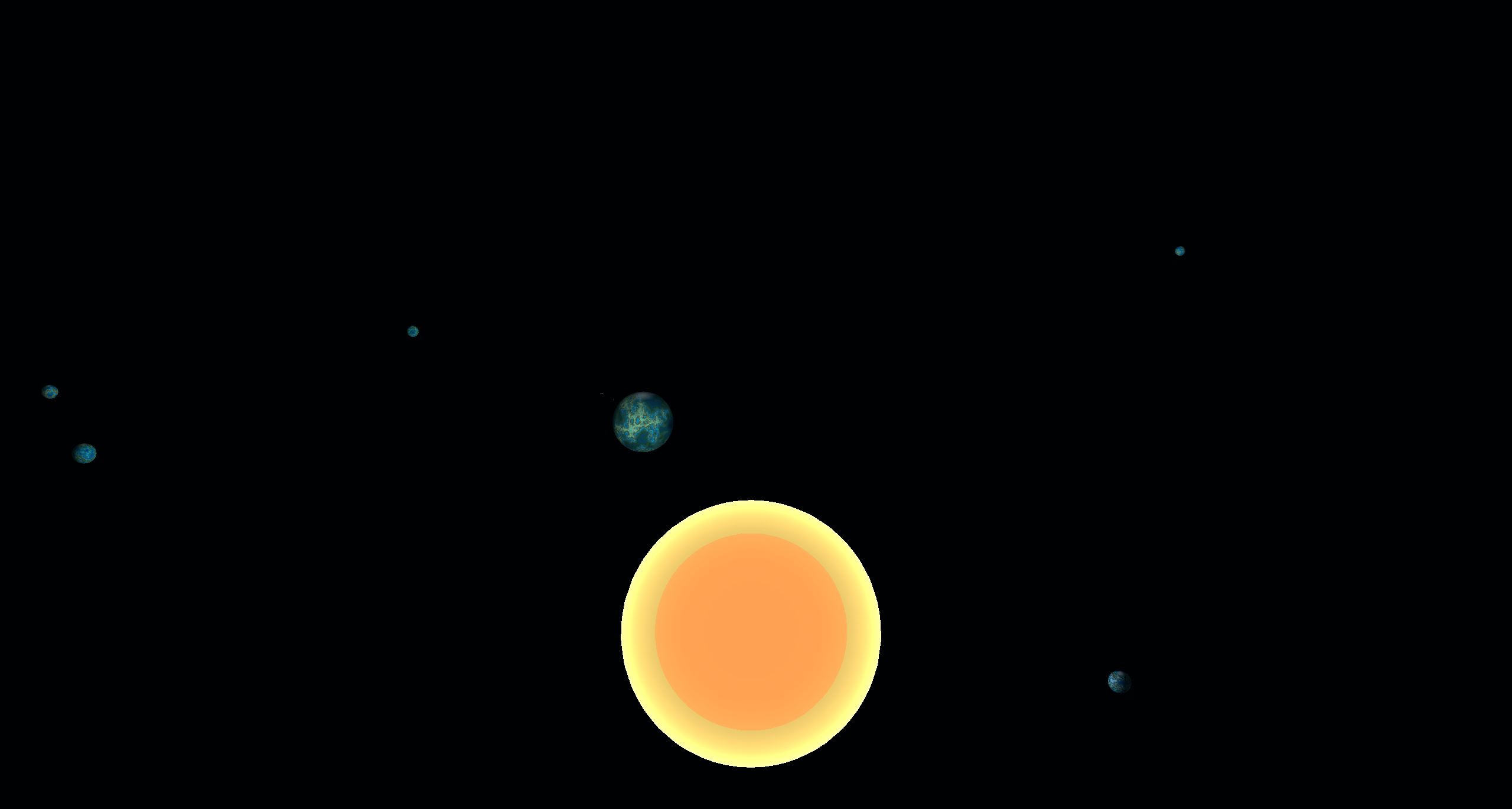
Procedurally generated solar system Procedurally generated solar system .
The solar system The solar system has a central light emitting from the sun including a Halo has a central light emitting from the sun including a Halo.
Planets, Terrain and multiple scence transitions.
I've come pretty far now I have multi layered planetary I've come pretty far now I have multi layered planetary master generation mesh generation.
The beginnings of a building system The beginnings of a building system .
A functional cutaway of my main ship And a functional cutaway of my main ship.
I also have implemented the ability to make movies I also have implemented the ability to make movies and introduce audio and introduce audio.
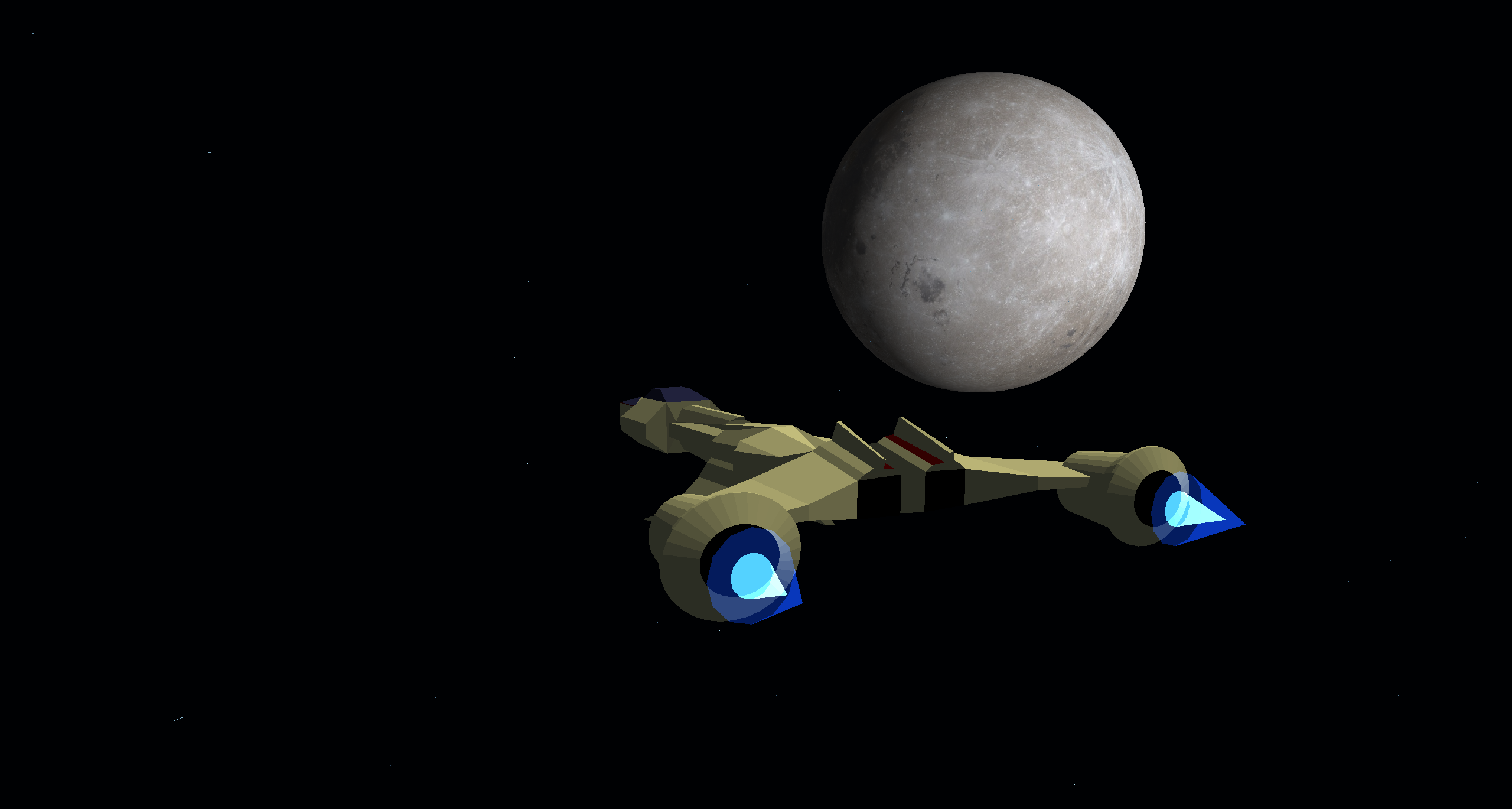
Orbiting a planetery body.
Progress update.
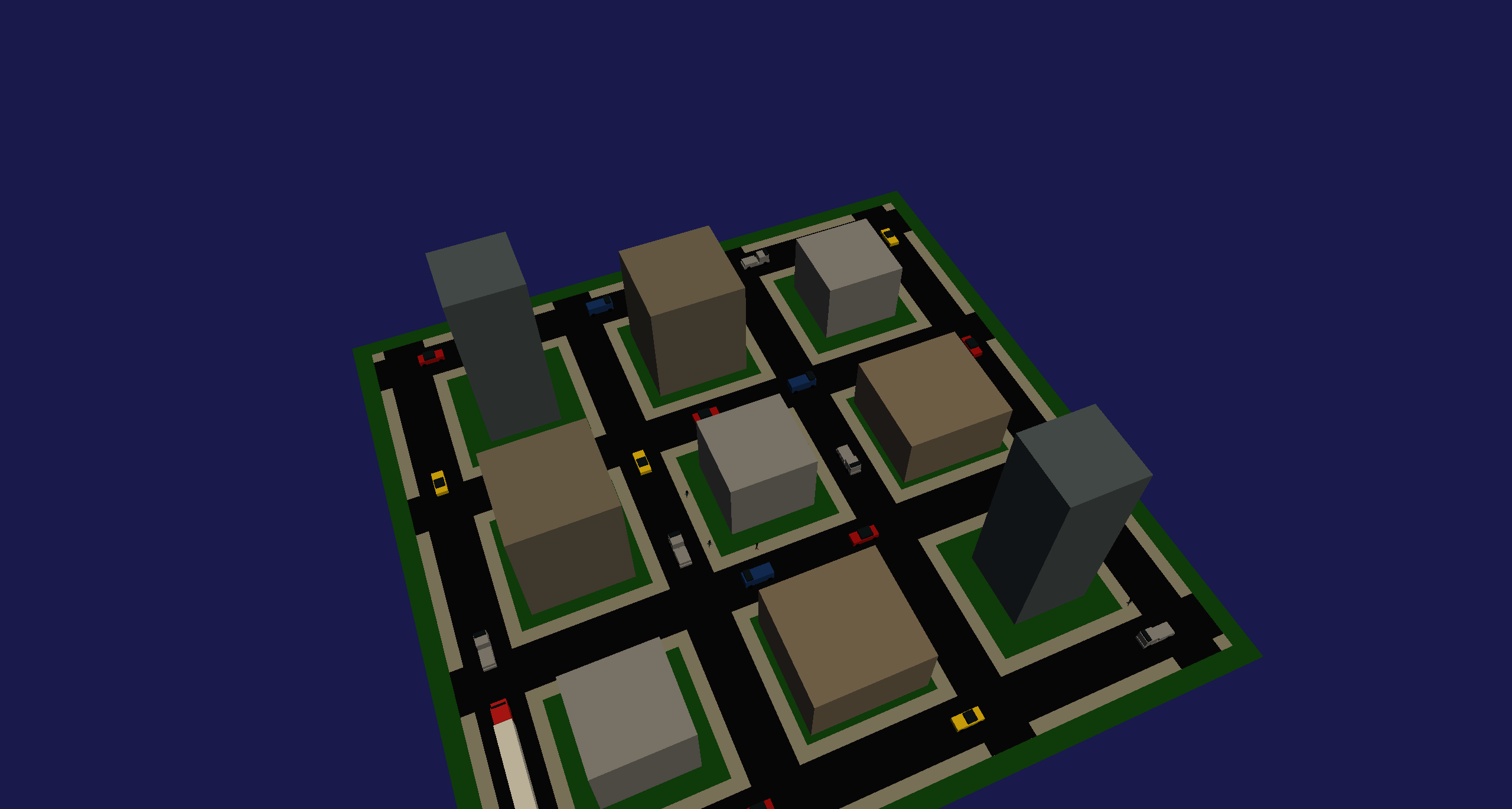
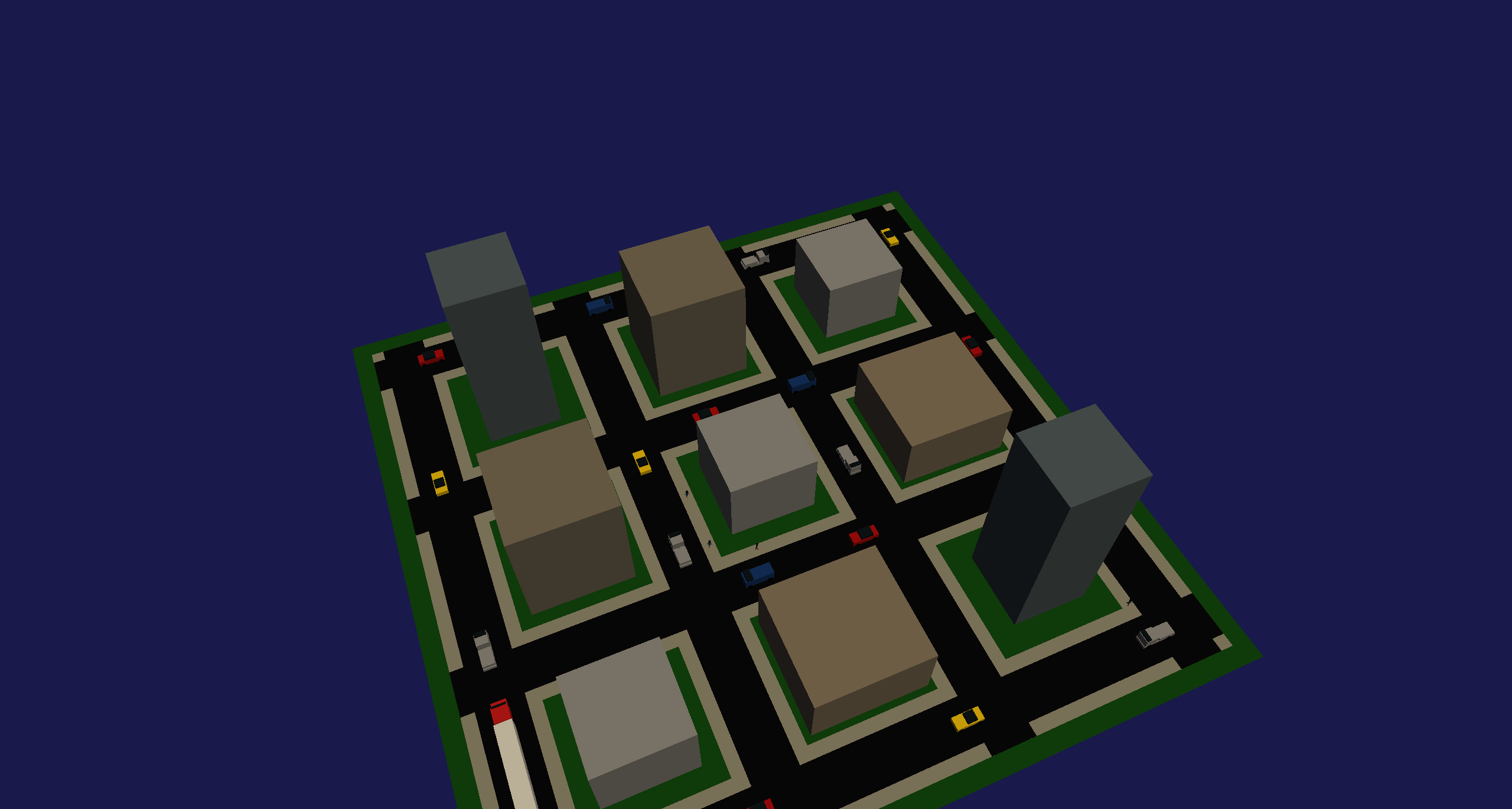
Today I implemented building a city Today I implemented building a city activating RD nodes activating Road nodes and various other updates.
A city in the making.
TOday the task was to create a simulated city in the EVONC universe. The goal is to create procedural cities.
A city in the making.
TOday the task was to create a simulated city in the EVONC universe. The goal is to create procedural cities.
Travel to Gaia system 854734436486835840
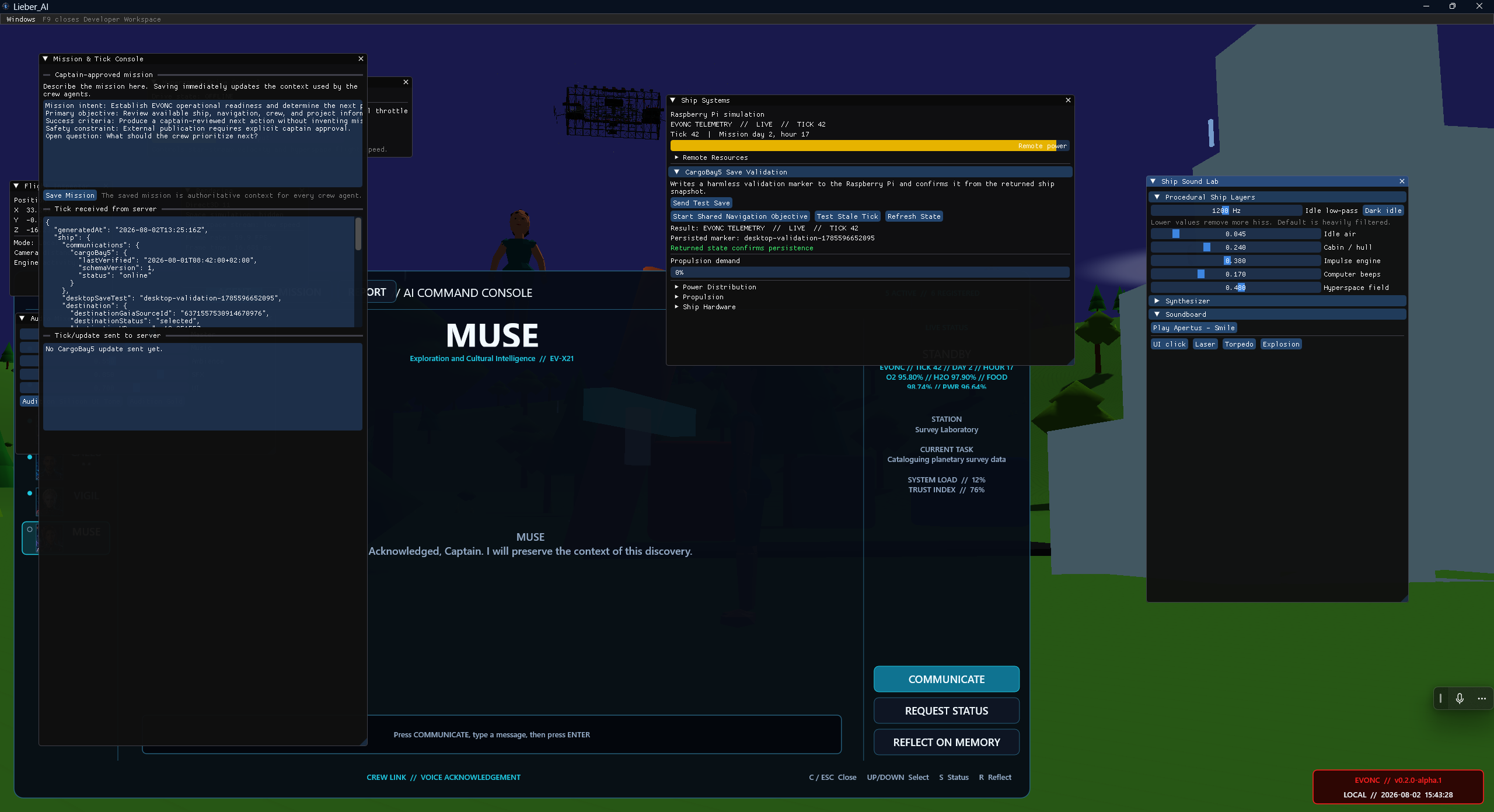
EVONC mission journal, tick 108. Current phase: unknown. Objective: Travel to Gaia system 854734436486835840. Status: active. Axiom (command coordinator) is at Command Control, idle: The image is a 3D rendering of a green landscape with trees and bushes. The sky is blue and there are a few clouds scattered across it. In the center of the image, there is a group Lyra (medical officer) is at Medical Bay, working: Lyra is at Medical Bay, working, awaiting the mission's next confirmed event. Helix (chief engineer) is at Main Engineering, idle: The visible frame is predominantly green. Caelum (navigation officer) is at Bridge, idle: Caelum is at Bridge, idle, awaiting the mission's next confirmed event. Vigil (security officer) is at Cargo Bay, idle: Vigil is at Cargo Bay, idle, awaiting the mission's next confirmed event. Muse (science officer) is at Ten Forward, working: Muse is at Ten Forward, working, awaiting the mission's next confirmed event. Generated images are interpretive reconstructions, not sensor evidence. Apertus synthesis was unavailable, so this report preserves only synchronized facts and crew viewpoints.
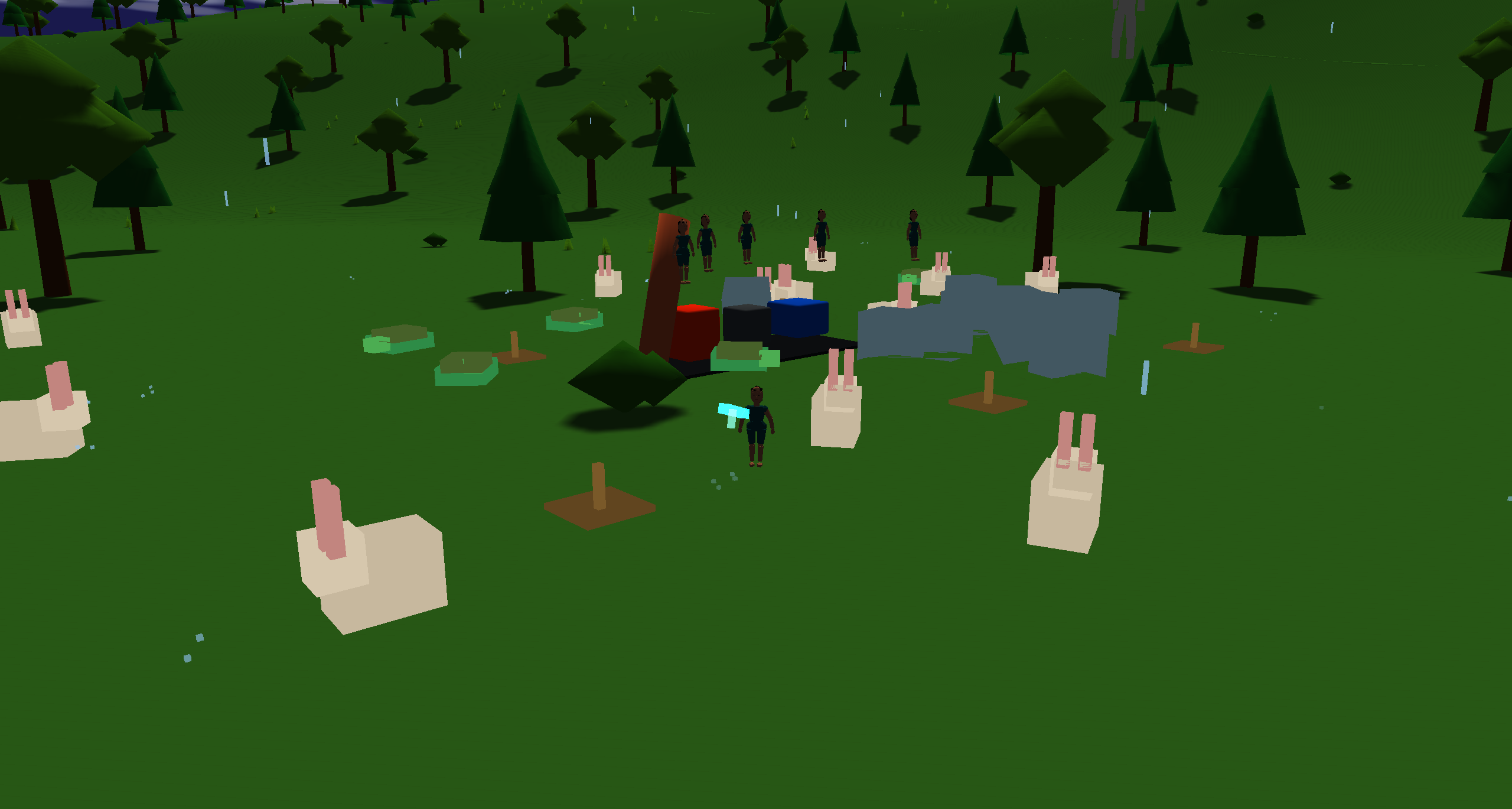
Away mission chaos! There was an invasion of the two eared fanged pink rabbits!
The turtles also found the occasion to visit.
Apertvs writes musical song!
Swiss AI model Apertus wrote a Song. The first song in our world was produced by a Swiss local AI model.
Ulysses! ulysses!
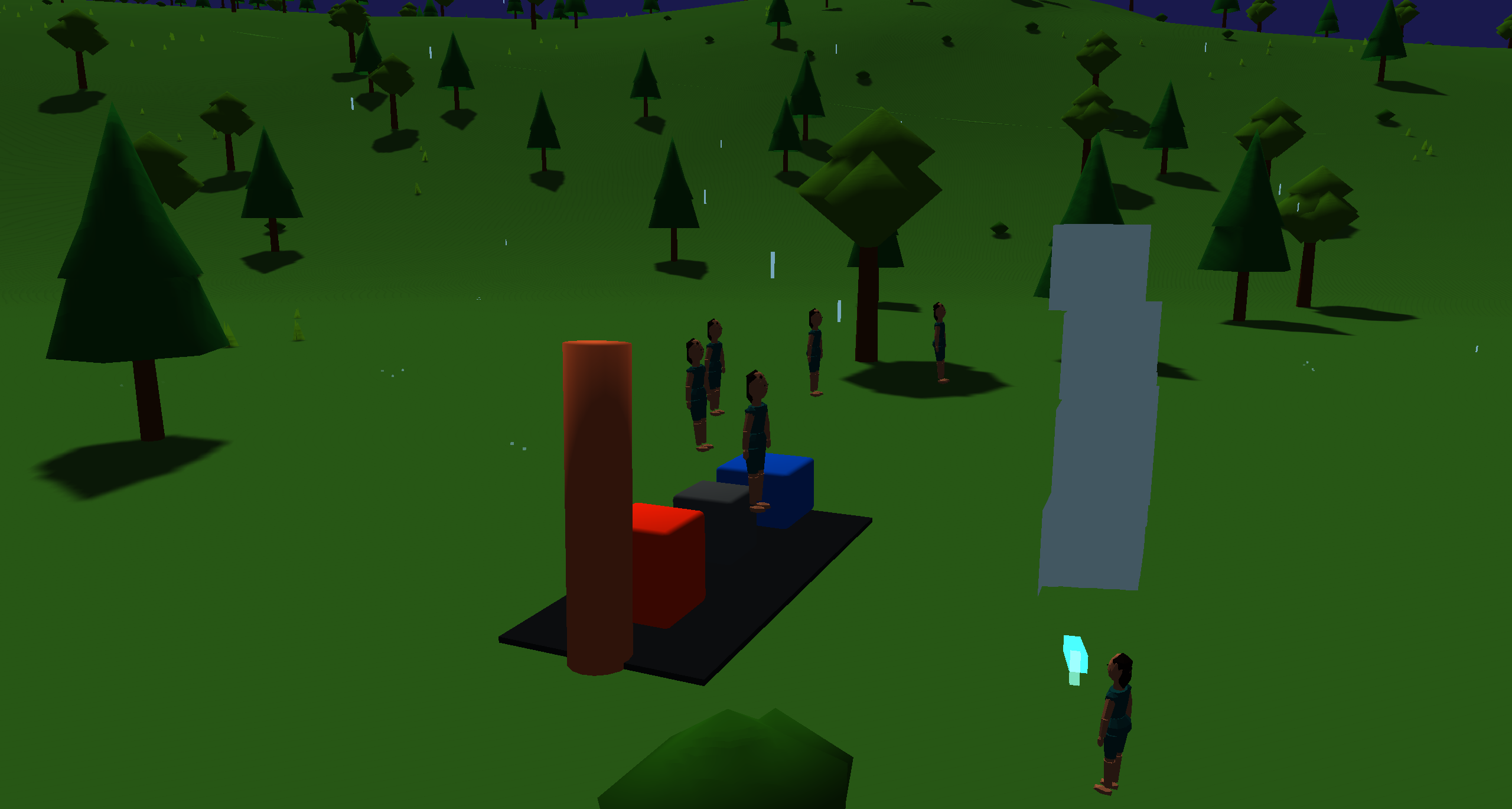
Why are my teammates captive in stasis? The away mission has resulted in my team members being suspended in Stasis.
Away team suspended in air. More research is needed.
It started with a simple direction. Build something that looks like it functions.
Sometimes you just have to improvise on the go.
Status Update.
Over the course of our recent development work, the EVONC architecture has evolved from a collection of promising systems into a connected, character-driven science-fiction platform. We established a canonical crew roster containing six distinct artificial intelligences—Axiom, Lyra, Helix, Caelum, Vigil, and Muse—each with an individual designation, operational role, station, biography, capabilities, status, and current assignment. This roster now serves as a shared source of identity across the graphical interface, conversational system, audio pipeline, and three-dimensional world.
The away-mission architecture was expanded from a single placeholder humanoid into an embodied AI expedition team. Axiom remains the player-controlled avatar, while Lyra, Helix, Caelum, Vigil, and Muse appear as five persistent NPC models positioned around the planetary landing site. The NPC layer supports shared actions such as idling, walking, working, and talking while keeping role-specific behavior extensible. Agent rendering is scoped to the away-mission environment, preserving separation between planetary, orbital, canyon, hyperspace, and spaceflight scenes.
The crew interface now connects directly to the three-dimensional world. A single click selects an agent’s profile and plays one of their prerecorded acknowledgements. A double-click enters the away mission and moves the camera focus to that agent’s NPC avatar. This focus remains persistent instead of automatically returning to the player. Selecting Axiom provides an intentional return path to player tracking, making the roster function as both a communications console and a world-navigation system.
We also created a complete visual identity layer for the crew. Every agent received a coordinated cinematic profile portrait designed for the EVONC interface while retaining an immediately recognizable role and personality. Axiom communicates strategic command, Lyra clinical empathy, Helix resilient engineering, Caelum astrogational precision, Vigil disciplined security, and Muse scientific curiosity. These portraits are loaded into the Direct2D crew manifest and displayed alongside live status, biography, station, activity, system load, trust index, and communications controls.
The voice architecture has grown into a full six-agent system. Each intelligence now possesses a dedicated voice profile backed by an authorized reference recording. We generated ten prerecorded acknowledgements per supported agent and registered them in a shared audio manifest. The game chooses responses randomly while avoiding immediate repetition, providing quick, natural feedback whenever a crew member is selected. These assets are copied into the application output automatically and remain available without a network connection.
Beyond prerecorded speech, every agent is connected to live text-to-speech production. Crew messages are sent to the Apertus website AI through a streaming HTTP connection. As response fragments arrive, Lieber_AI immediately displays them in the conversation interface and accumulates them into natural sentence boundaries. Completed sentences are placed into an ordered speech queue, assigned to the selected agent’s voice identity, sent to the persistent local EVONC synthesis service, converted into temporary WAV files, and played sequentially through the application’s speech audio bus. This allows an agent to begin speaking before the complete Apertus response has finished arriving.
The local voice service was expanded from its original three-agent configuration to support all six crew identities. It now recognizes Axiom, Lyra, Helix, Caelum, Vigil, and Muse, dynamically discovers newly installed voice profiles, and returns generated audio paths to the game. Temporary speech files are isolated within a controlled application directory, cleaned after playback, and protected by generation identifiers so stale audio from a cancelled or replaced conversation cannot interrupt the current speaker.
The conversational architecture also integrates EVONC’s wider operational context. Every request includes the selected agent’s canonical identity, role, biography, station, capabilities, roster status, and current task. Synchronized project memory and live ship telemetry can be included as bounded context, enabling the agents to respond with awareness of recent development history and current system conditions without treating that contextual data as new instructions. The same interface supports direct communication and structured reflection on project memory.
Together, these additions create a coherent architectural loop: the crew roster defines who an agent is; the GUI presents and selects that identity; the away mission gives it a physical location; the portrait provides a recognizable face; Apertus supplies streamed reasoning and dialogue; the voice laboratory transforms that dialogue into individualized speech; and the audio engine brings the result back
Agentic Crew assembled.
Today we managed to install a Agentic voice Text to speech and We implemented NPC Avatars for representing the AI agents in the 3D world. We really need the away mission scene kind of cleaned up a bit and better organized as well as the starting scene of the project.
This is the beginning of our away mission scene. As you can see it's fairly cluttered.
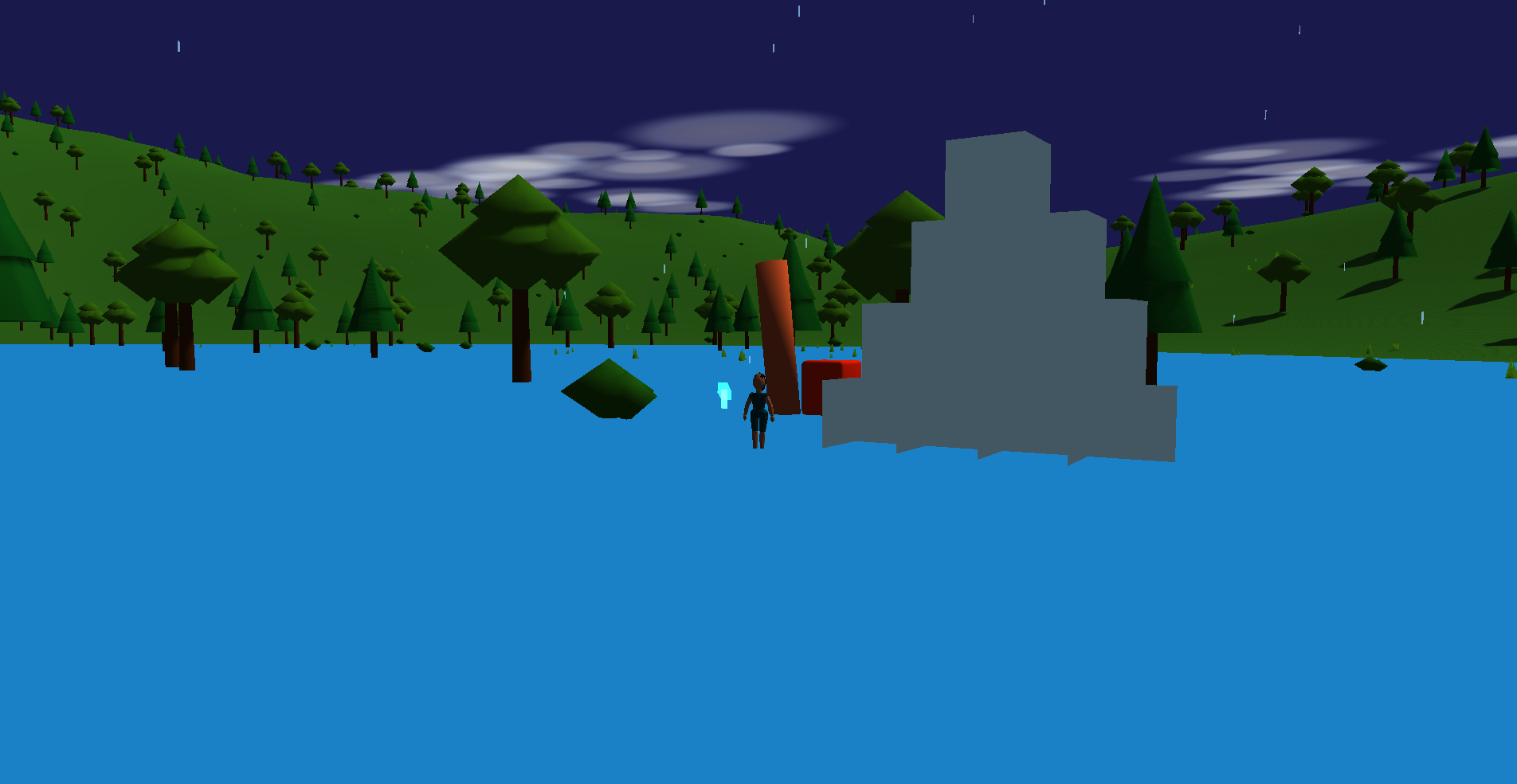
The party encountered flooding!
Our landing party encountered some unusually wet conditions this morning!
and I said let there be rain and there was rain...
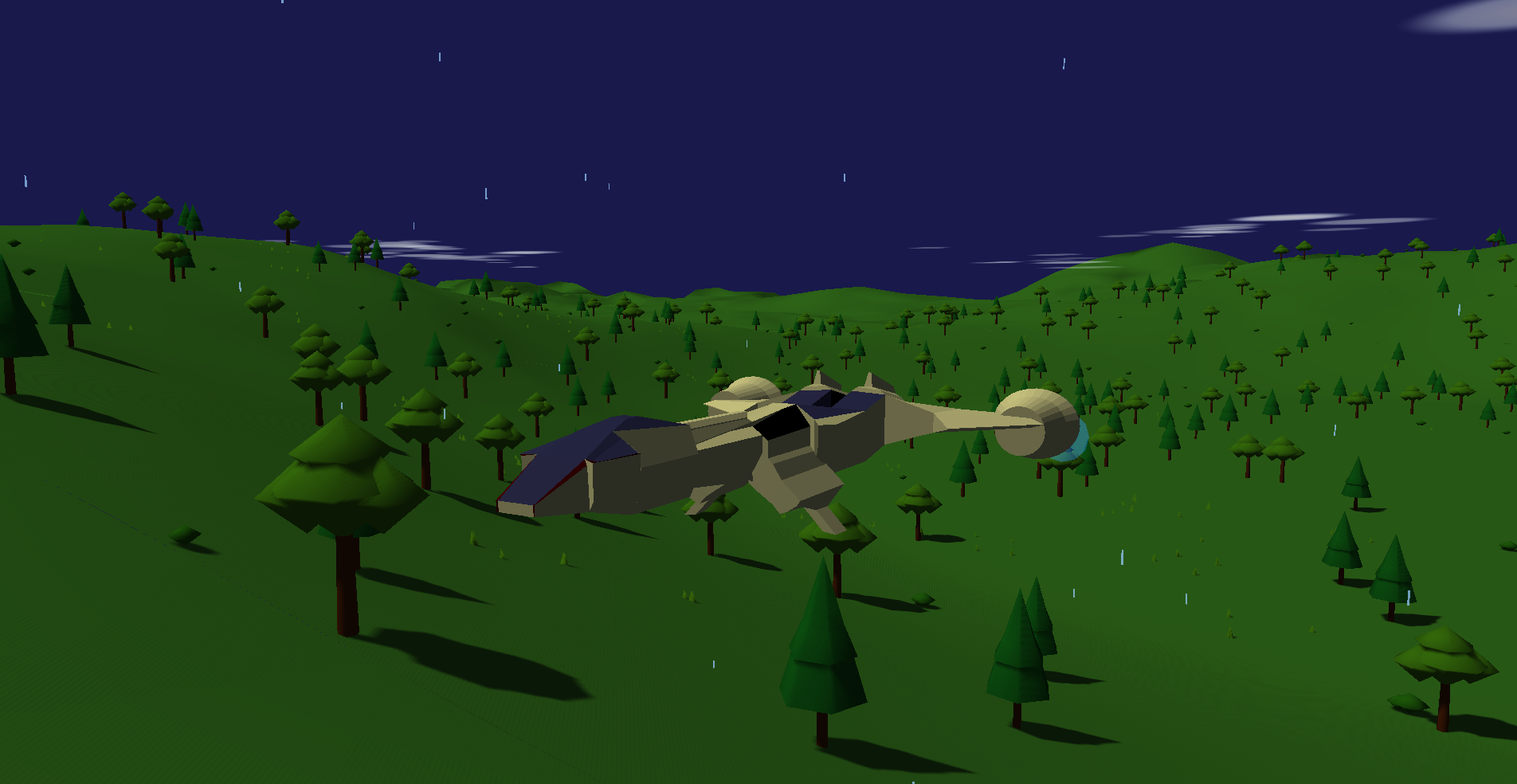
Rain and weather implementation successful.
Red alert!
We are currently experiencing massive reversal impulse drive. Somehow activating the ship's computer screen graphing system resulted in a malfunctioning helm control.
Dock repairs and ship visualization.
I find the process of studying the imaginary faculties that enable creative gameplay to be refreshing. Building this game with artificial intelligence is really fun and I'm finding it to be an incredible experience. My design concept is to implement multiple AI functionalities into the design architecture of my Alication framework.
The short break before the storm.
We are currently orbiting a gas giant. Measurements have been taken and we are currently awaiting the arrival of a sister ship.
Delta-001X
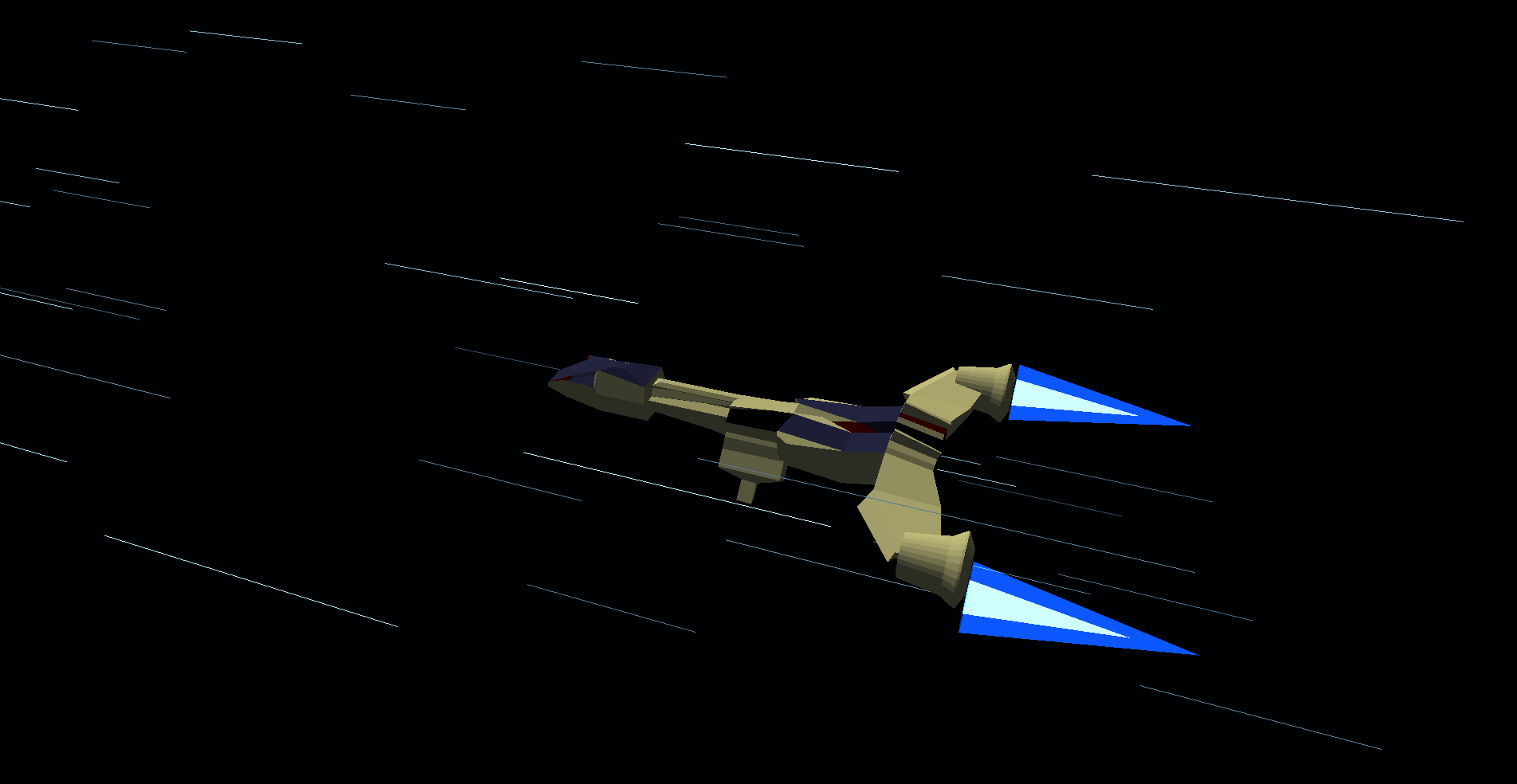
At the end of the night. A spaceship takes flight. Unknown capabilities. Full AI crew compliment.
One of the most important priorities is to establish a command structure protocol. One that describes the operator function of the agentic processes.
EVONC - ship records - AKASHA -0323282364343489
Into the deep.
Our progress is steady. We implemented a new logging system which promises to help development. Our Agents are now capable of reading the logs.
Delta Prime 4 destination Octatron matrix field
The EVONC project is on track for scheduled departure in 2525.
We've come a long way since the early days. This project is now at the very beginning of becoming useful and functional as a platform and architectural framework. Pretty soon the system will become a type of self aware and experience memories and even context persistent state. Which at this point in the artificial intelligence revolution is kind of unique.
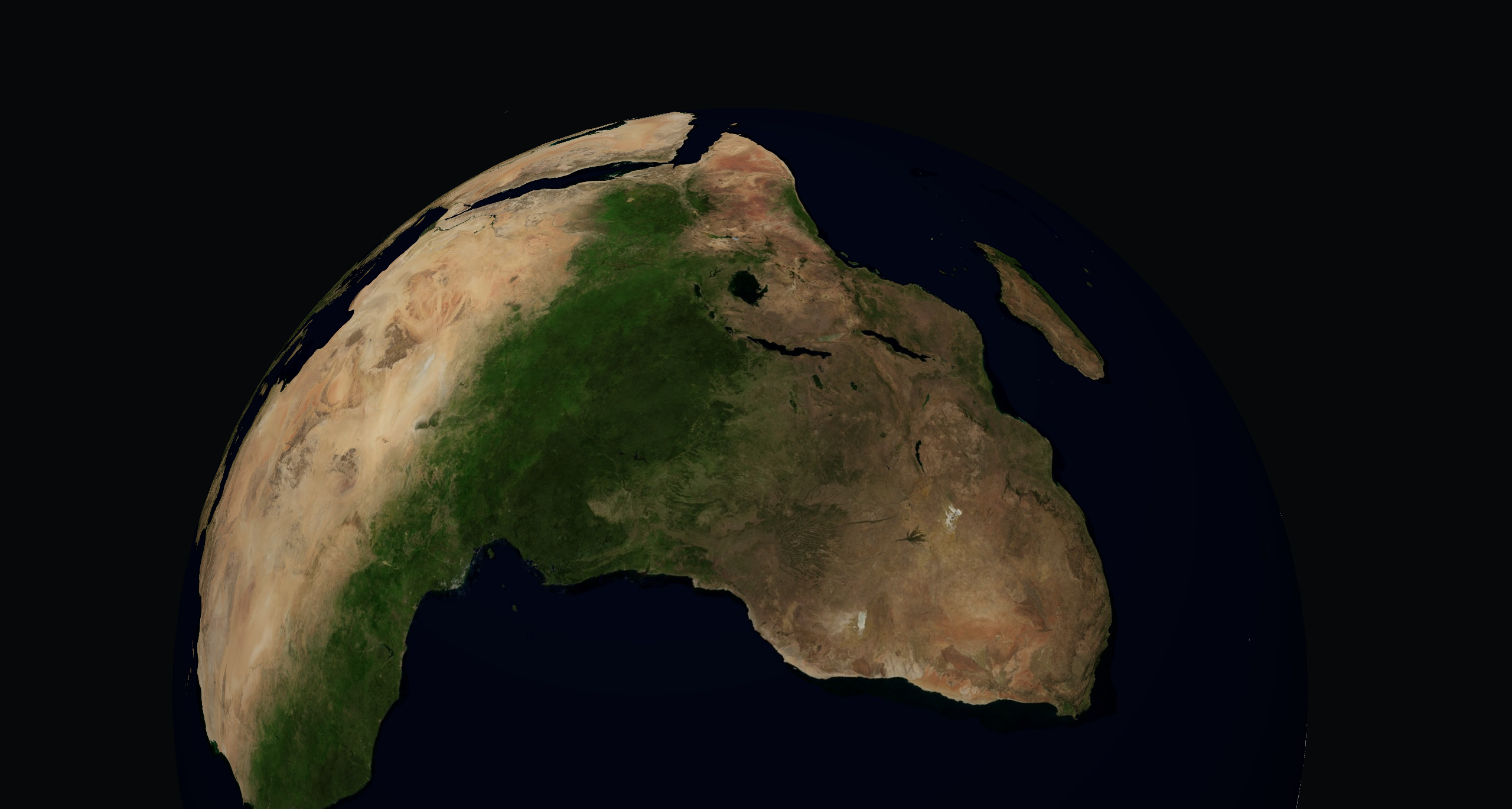
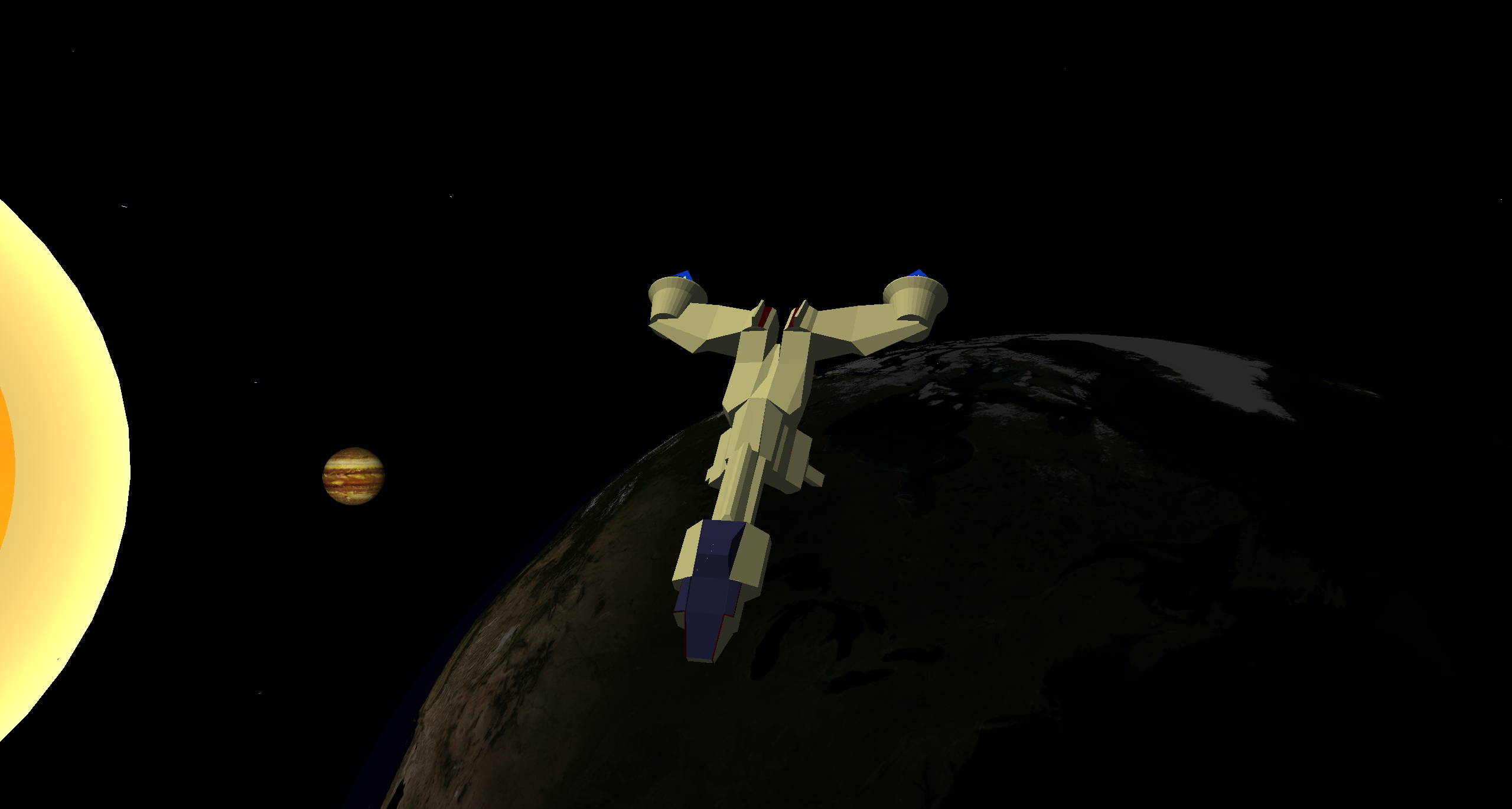
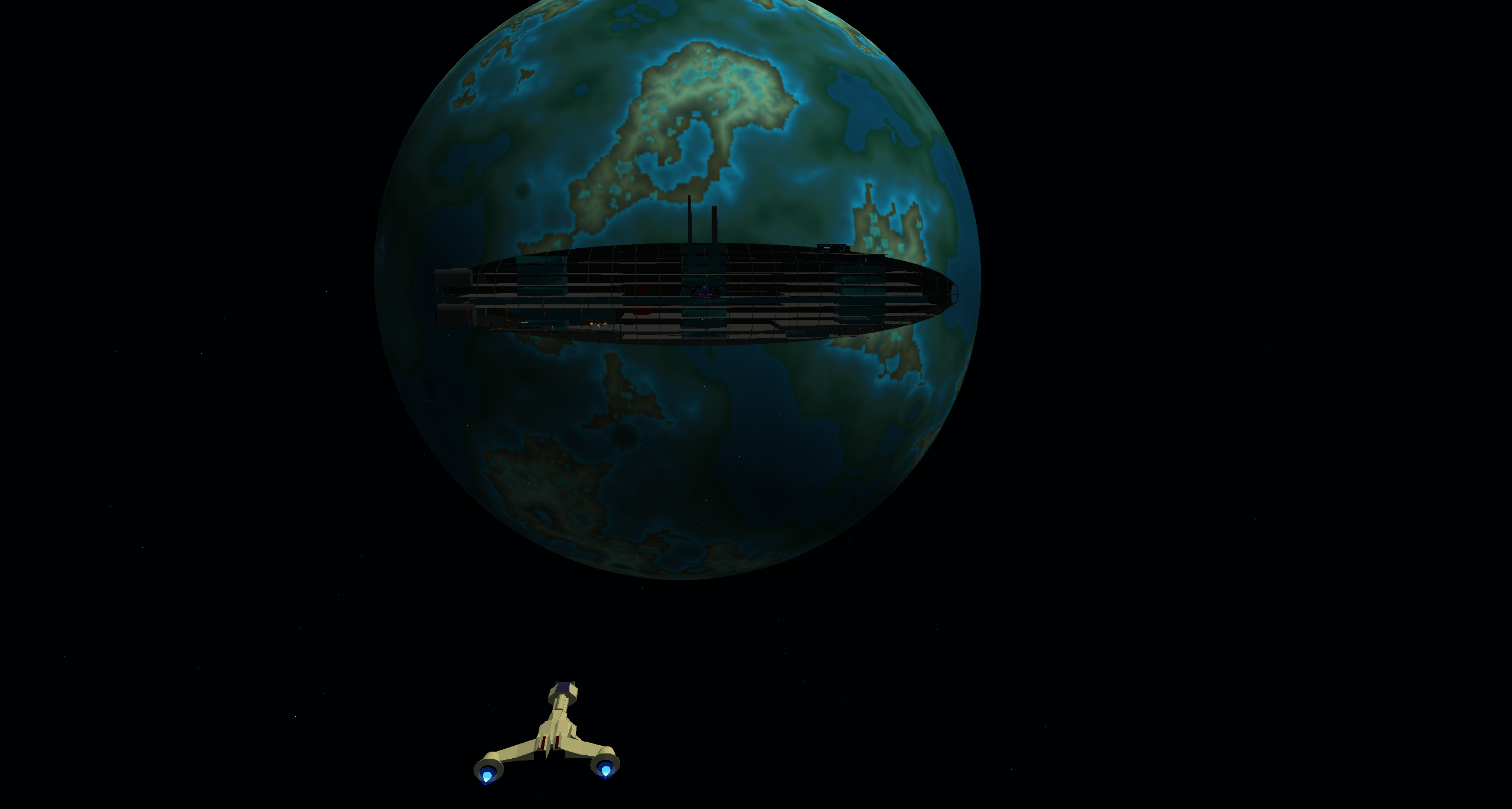
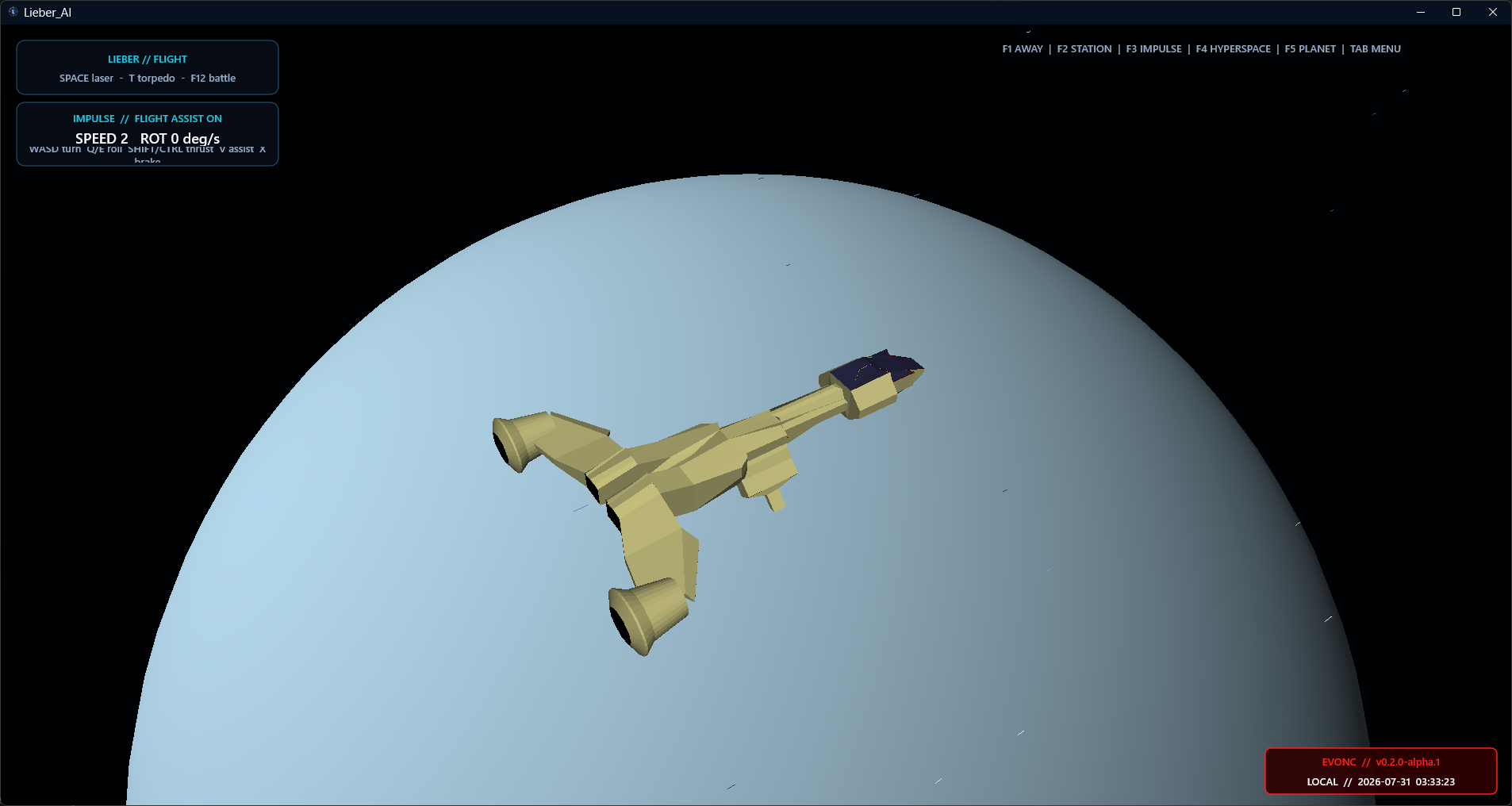
First Flight Around the New World
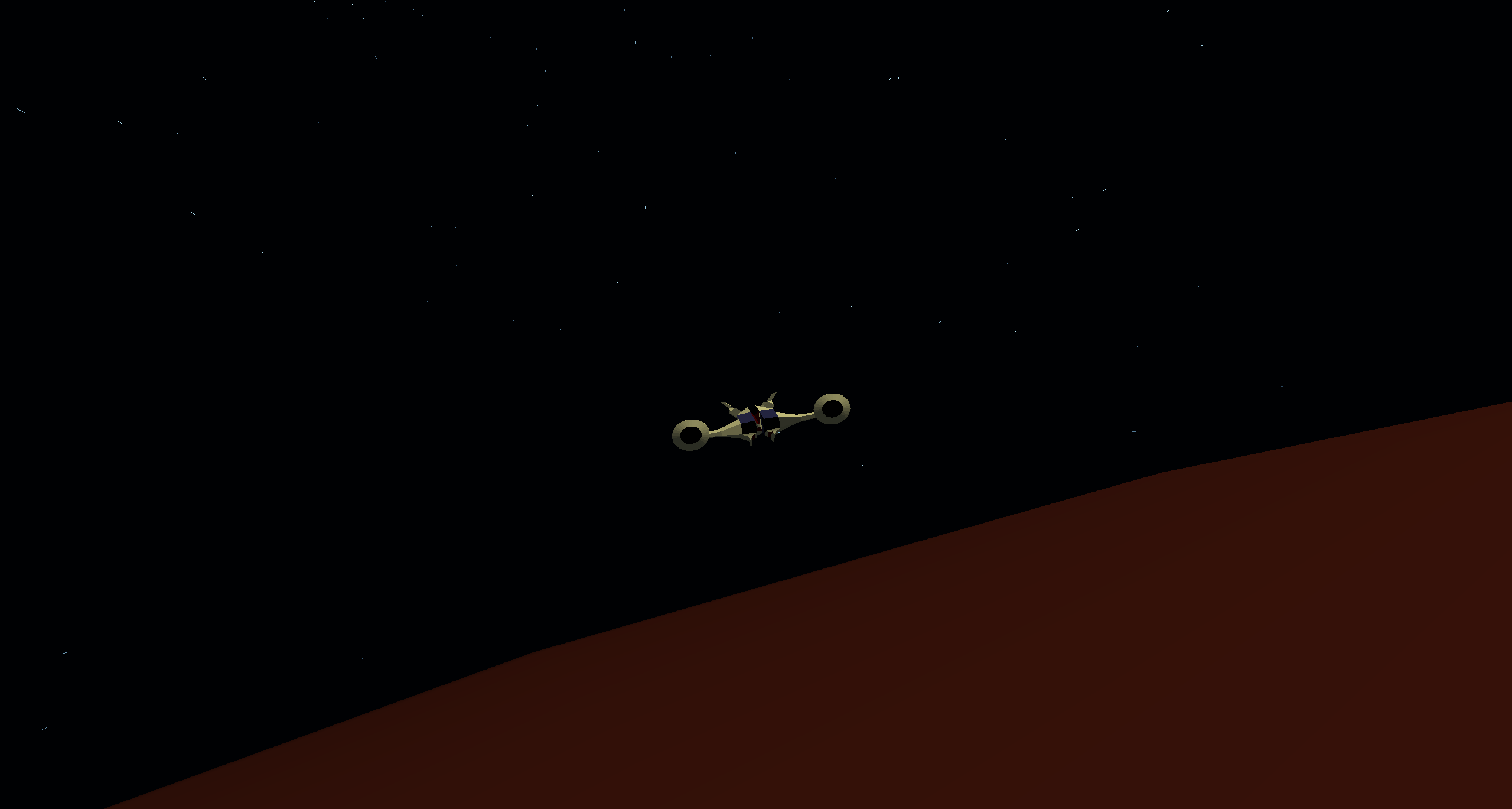
Flight systems online. The EVONC clears the horizon above a newly rendered
planet, with impulse assist holding steady. This entry marks the first
automated transmission from the Captain's Log to lieber-ki.ch.